
An Interview With Chad Silverstein
Consistency is one of the keys to growth. Staying consistent builds trust and allows your audience to know when to tune in and catch new episodes. Try to choose a release schedule, either weekly or biweekly, and stick to it. Let your audience know when to expect new episodes and follow through.
In an era where the podcasting landscape is more crowded than ever, growing an audience requires not just consistency and quality content but also smart, strategic planning. Today, we’re diving deep into the growth strategies of a podcaster who has successfully expanded their reach in this competitive space. With a background that blends unique storytelling with savvy marketing techniques, our guest has mastered the art of audience growth. They’re here to share the top five strategies that podcasters can use in 2024 to increase their listener base, focusing on leveraging social media, optimizing for SEO, making the most of guest appearances, and more. I had the pleasure of interviewing Melissa Bill.
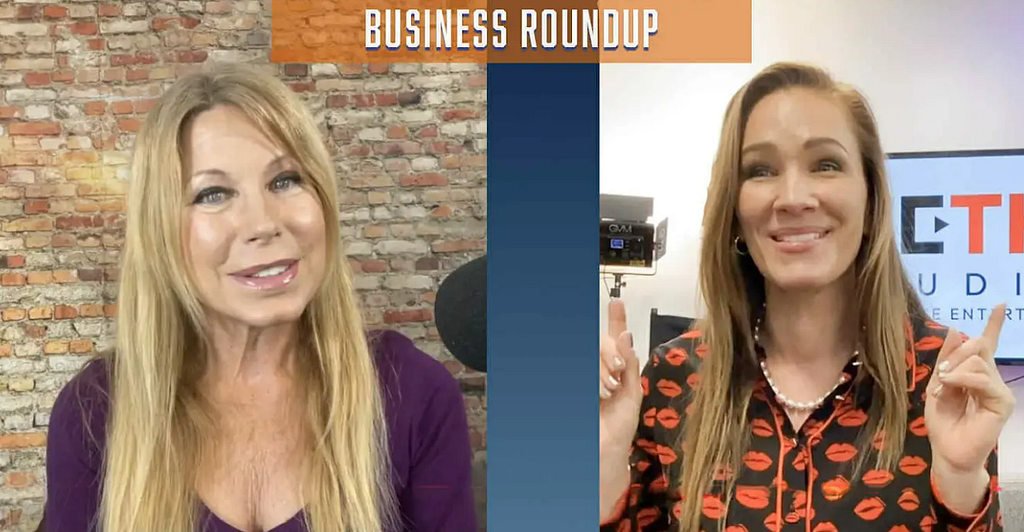
Melissa Bill is a seasoned journalist with over 17 years of media experience. She currently hosts The Business RoundUp, exploring the pivotal topics shaping the broader business landscape today. From groundbreaking innovations to leadership insights and finance trends, this podcast delivers in-depth coverage and engaging interviews with influential figures and newsmakers from across the United States.
Melissa has been a trusted voice for major outlets like The Miami Herald and WIOD News Radio. While reporting for The Texas Insider, she focused on business, technology, the space sector, and finance. Plus issues vital to Texans, from the proposed Texas-based stock exchange to the state’s expanding energy industry.
Thank you for joining us. To start, could you share your “origin story” with our readers? How did you begin your podcasting journey, and what challenges did you face in the early days regarding audience growth?
After taking a break from the news industry for about 10 years, I started to work as a contributing reporter in Fort Myers, Florida. I covered local news and government and loved being back in the trenches. I felt like I wanted to dive back into full time news reporting. That’s when I landed a dream job with The Epoch Times’ new media outlet called The Texas Insider. They were launching a new podcast show called The Texas RoundUp. The show ran for close to a year and I had a chance to interview candidates for the 2024 election and even got an opportunity to interview Billy Busch, heir to the Anheuser Busch dynasty.
In late February 2025, I received the news that the media outlet had decided to change editorial direction and the show was cut. I was definitely saddened by the news, but felt like we had a good thing going and there were so many great guests that had appeared on the show and more were to come. I then decided to go it solo and take a chance by rebranding the show, calling it The Business RoundUp.
The real test came when I had to make connections with publicists, PR agencies, navigate booking guests, draft up questions and conduct the interviews all by myself. I also had to take a crash course in setting up a podcast, linking it to all the major channels and learning how to utilize the latest podcasting audio and video editing equipment. Slowly but surely things started to grow. It was not perfect by any means or an instant success. I feel that even now, the show is still in its early stages and growing, but I’m excited for what’s to come.
Social media is a powerful tool for podcast promotion. Can you share your most effective strategy for leveraging platforms like Instagram, Twitter, or Facebook to boost your podcast’s visibility?
Social media is super important especially when you’re a new podcast trying to get the word out and grow your following. I feel that each guest is your best ally when it comes to social media sharing. Building a great networking system with each guest and finding ways to cross promote and share each other’s content is key when you’re trying to grow your followers and subscribers. It’s also important when you’re trying to attract quality guests and listeners.
SEO (Search Engine Optimization) can be a game-changer for podcasts, especially when it comes to discoverability. What SEO tactics have you found most beneficial for attracting new listeners through search engines?
First you need to know your niche in the market. Who are you trying to attract? What type of content are you looking to produce? Choosing the right keywords are important to making sure the content gets in front of the right audience. You may want to stay away from key words that are over saturated. This often causes content to get lost in the abundance of other interviews on that topic. It’s often beneficial to use a guest’s name in the title especially if they have a good social following or are well-known in their industry.
Guest appearances, both on your podcast and on others, can significantly expand your reach. Can you discuss how you’ve approached guest appearances to grow your audience? What’s your strategy for selecting guests or shows to collaborate with?
When I launched my podcast, my goal was to focus on business news, influential industry leaders, and emerging trends. I was particularly interested in featuring guests such as entrepreneurs, innovators, and executives who are making a real impact within their fields. With a background in both journalism and public relations, I’ve been able to leverage my media connections to secure quality guests and collaborate with other professionals seeking meaningful exposure for their clients. Additionally, I make an effort to connect with fellow podcast hosts in similar genres to explore opportunities for cross-promotion and audience growth. I feel this is a key element in gaining exposure and can even expand on your own skills as a host.
Networking within the podcasting community can open up opportunities for cross-promotion and shared growth. How have you engaged with other podcasters to support each other’s audience growth?
Networking has been a key part of my podcasting journey. I’ve made building relationships with other podcasters in my niche and beyond a goal. A few of the ways I’ve fostered interactions with other podcasters is within communities, social media engagement, podcasting forums, and attending virtual events. Another effective strategy has included having other podcasters on my show or appearing on theirs. This not only provides fresh content for each of our audiences but also exposes our shows to new listeners. I’ve even participated in collaborative episodes, where multiple podcasters contribute to a shared topic, which helps amplify our reach. Beyond content, I actively promote others’ episodes when they align with my audience’s interests. Through mutual support and recognition, we can help one another grow.
Beyond these methods, is there one more strategy you’ve employed that’s been particularly effective in growing your podcast audience in 2024?
A less conventional but effective strategy I’m starting to experiment with is growing my podcast audience by using strategic content syndication through newsletters and niche communities.
Instead of relying solely on platforms like Apple or Spotify, some podcasters have found success by partnering with popular industry-specific newsletters or LinkedIn groups. By offering exclusive content, summaries, or even guest-written posts that back-link to podcast episodes, creators get a chance to tap into targeted and engaged audiences who are more likely to convert into loyal listeners.
I also continue to report and write for other trusted news publications, which allows me to broaden my reach and align my content with other industry spaces that potential listeners might already follow.
The middle of any growth journey is often where the most learning and adaptation occurs. Reflecting on your experience, what’s one major lesson you’ve learned about audience growth that you wish you knew when you started?
Don’t be afraid to put your content out there and use all of the channels available to you. Share with friends, family and business associates. If you believe in what you’re doing and the quality of your content, keep plugging away and eventually you’ll see the listener and subscriber numbers climb. Also, do seek the advice of other successful podcasters and ask them for tips. Ask them what worked for them, and what didn’t work.
Looking forward, what emerging trends or platforms do you see as having the potential to impact podcast audience growth in the next year?
Audiences are starting to look to podcasts more and more when it comes to getting their daily news, insights into business trends, educational videos or even for how-to guides. I also see a rise in more citizen news reporters and influencers who are stepping up to bridge the gap within local news coverage especially in smaller cities and towns. We’re likely to see more people relying on podcasters, creators and influencers when it comes to getting more in-depth coverage on stories in their area. This was a trend we saw quite a bit of especially during natural disasters like hurricane Helene in North Carolina.
For podcasters who are just starting out or struggling to grow their audience, what advice would you give to help them stay motivated and focused on their growth strategies?
Before you focus on growth, make sure you have a clear picture of the topics you would like to cover and who is your targeted audience. Keep a few questions in mind such as why did you start the podcast? Is it meant to educate or entertainment? Is your goal to build a brand or create a community? Having a strong personal or professional purpose helps keep you grounded when growth is slow.
Could you list and briefly explain “5 Key Strategies for Growing Your Podcast Audience” based on your experiences and insights? If you can, please share a story or example for each.
1. Start with a clear purpose for why you’re creating the podcast. Who is your target audience? Don’t expect perfection right off the bat. It takes time to figure out your own style and flow.
2. Consistency is one of the keys to growth. Staying consistent builds trust and allows your audience to know when to tune in and catch new episodes. Try to choose a release schedule, either weekly or biweekly, and stick to it. Let your audience know when to expect new episodes and follow through.
3. Create titles with SEO in mind. Podcast directories like Apple and Spotify use metadata to surface relevant content. When creating a title use clear, keyword-focused episode topics and descriptions. Include guest names especially if they are well-known or have a large social following. This can help improve discoverability in both podcast apps and Google searches.
4. Lean on social media and post regularly. One of the best ways to get the word out on upcoming episodes or those just released is by sharing on your social media channels and your guests’ social feeds. Cross-promoting and collaborating are other valuable tools in allowing your podcast to gain exposure to a greater audience.
5. Each guest is a new opportunity to gain greater exposure and get the word out regarding your podcast show and the guest’s services and or product. Each guest has their own audience, which allows your show to be seen by their fans and followers. An interview provides a way for each guest to talk about their backgrounds and expertise, and it provides free marketing. Creating social media shorts and clips for each guest to share on their social channels is a great way to maximize each interview. Provide each guest with other types of promotional material about your show, so they can add it to their social sharing.
The journey of growing a podcast audience is filled with both challenges and milestones. Can you share a particularly rewarding moment or achievement in your audience growth journey that stands out to you?
Probably the most challenging moment in my journey was having to rebrand the podcast and try to grow it solo without the backing of a larger media outlet. The show grew very slow at first, and I definitely felt frustrated. You can’t help but have doubts and wonder if you’re heading down the right path. One of the highlights in my journey was when one of my episodes hit over 100 listens. I was definitely excited.
Another rewarding moment was when other trusted names in the media industry had heard of my show and complimented me on its content. It made me feel like the hard work I had put in was starting to pay off.
As we wrap up, how can our readers follow your work and stay updated on your strategies and insights for podcast growth?
Website: https://businessroundupshow.com/
Social channels: https://twitter.com/melissaabill, https://instagram.com/Melissabillrounduphost, https://linkedin.com/in/melissa-bill-58688913, The Business RoundUp with Melissa Bill — YouTube, and TikTok — Melissa Bill
Your journey and the strategies you’ve shared today provide a roadmap for podcasters looking to expand their audience. Thank you for offering such valuable insights into the art and science of podcast growth. We look forward to seeing how your podcast continues to reach new heights, and we wish you continued success in connecting with listeners around the world.
About the Interviewer: Chad Silverstein is a seasoned entrepreneur with 25+ years of experience as a Founder and CEO. While attending Ohio State University, he launched his first company, Choice Recovery, Inc., a nationally recognized healthcare collection agency — twice ranked the #1 workplace in Ohio. In 2013, he founded [re]start, helping thousands of people find meaningful career opportunities. After selling both companies, Chad shifted his focus to his true passion — leadership. Today, he coaches founders and CEOs at Built to Lead, advises Authority Magazine’s Thought Leader Incubator.
Host Melissa Bill of The Business RoundUp: Top 5 Strategies for Growing Your Podcast Audience was originally published in Authority Magazine on Medium, where people are continuing the conversation by highlighting and responding to this story.