
An Interview With Chad Silverstein
Root your purpose in authentic truth. Ours is built on a family’s love and loss. This authenticity is magnetic and impossible to replicate. People can feel when it’s real.
Purpose has become the new currency of success in today’s workplace, and leaders who prioritize mission-driven cultures are standing out in the war for talent. To explore this important topic, we are interviewing Anand Mehta.
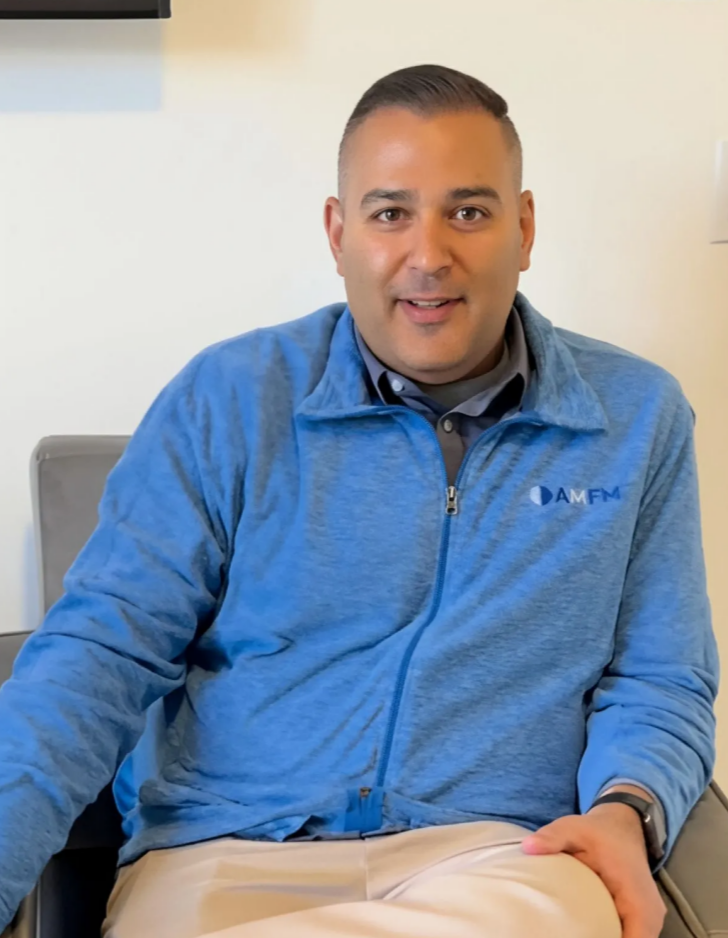
Anand Mehta, LMFT, is the Executive Director at AMFM Healthcare, San Diego Region, where he leads with a commitment to patient-centered, strength-based care. With over a decade of experience in clinical leadership and direct therapy, he is trained in evidence-based modalities including CBT, DBT, ACT, EMDR, and Cognitive Processing Therapy. Anand is recognized for his dedication to empowering clients and shaping compassionate, high-quality mental health services.
Thank you so much for joining us in this interview series. Before we dive into our discussion, our readers would love to “get to know you” a bit better. Can you share with us the backstory about what brought you to your specific career path?
Thank you so much for having me. It’s a pleasure to be here and share my journey and insights with your readers. My childhood was a lot of movement and at times inconsistent. For example, I was in 3 different schools and 2 countries at age 7. Most of my childhood has kind of meshed together. Born in London, spent some of my infant years in Africa, moved to the East Coast (Tennessee and North Carolina) when I was about 7. We returned to London and then eventually moved permanently to California when I was 9–10 years old. While in California, I have also moved around often from Orange County to Sacramento to San Jose. Now, my family and I are situated and happy to call both Orange County and Temecula home. As difficult as moving around during my formative years was, it helped instill gratitude in me. Seeing all the sacrifices my family made to make sure my brother and I had the best life possible with the most opportunities.
Can you share the most interesting story that happened to you since you began working in leadership, culture building, or purpose-driven organizations?
A funny story for me, likely not for my client at the time. When I began as an intern, I was very quick to come in and try to solve problems. What I saw from therapists on TV is what I believed therapy was… I would often meet with clients, challenge their thought processes, tell them what’s wrong and offer fixes. Sometimes it worked, sometimes it was great. But most of the time it was the absolute least helpful thing I could be doing. I had one client, a elderly, tiny sweet older lady who would come in and talk about her grandchildren and some of their behavioral problems, and overall, some concerns around aging. I would offer advice and support, which I’m sure was wonderful from, at that time, a young male with no children. In her very sweet soft voice, she looked up and said “Can you please just shut up and listen”.… She immediately apologized for using bad language and we both got a good laugh out of it. But that day changed the entire way I practice. The lesson is in the power of silence. In giving space and time for processing, reflection, non-verbal communication, emotional regulation, giving the client time to respond to themselves. And as she said, just shutting up and listening.
You are a successful leader. Which three character traits do you think were most instrumental to your success? Can you please share a story or example for each?
Throughout my career, I have found that my success is built on a foundation of empathy, collaboration, and integrity. First is empathy which has always been crucial for me whether I am in leadership meetings or with clients. Understanding each person’s goals and journey has helped me build strong alliances and work toward effective results for everyone involved. This empathy goes hand in hand with my second trait, collaboration. Working well with others is my key to success. I value being part of a multidisciplinary team and I make sure to enter every collaborative session assuming positive intent. We might have different ideas but our shared goal is always the most positive outcome. The third trait that grounds everything I do is integrity. I work every day to hold myself to the highest standard to be a leader I would follow. This means doing what I say I will do and making hard decisions with honesty and respect always in mind.
Let’s now jump into the focus of our interview. What does a “purpose-driven culture” mean to you personally, and why do you think it’s critical for attracting top talent?
To me, a purpose-driven culture means that people know why they’re doing the work, not just what they’re doing. It’s about connecting daily tasks to a bigger mission that feels meaningful. In mental health, our purpose is clear, to help people heal, grow, and live fuller lives. When employees feel connected to that mission, it energizes them.
Talented people want to work in environments where their contributions make a difference. If your culture is rooted in purpose, you attract individuals who care deeply, and that alignment drives both personal fulfillment and organizational success.
How did you identify and define the mission or purpose for your organization? Was it inspired by a particular event, challenge, or insight?
Our purpose was defined by a profound and painful event which is the loss of Michael. It wasn’t an abstract business concept. It was born from a family’s heartbreak and their incredible courage to channel that grief into a force for good. The challenge was clear: the system failed Michael. Families often feel lost, and individuals in acute crisis can’t find the expert, compassionate, and comprehensive care they desperately need.
Our mission, to provide clinically excellent care in a compassionate environment to prevent such tragedies, was directly inspired by this. It’s our north star. Every client we admit is a testament to Michael’s memory, and it’s a responsibility every one of us feels deeply.
What are the key steps leaders can take to embed purpose into the day-to-day operations and decision-making of their companies?
Leaders can do this by making sure purpose isn’t just on posters or mission statements but woven into daily choices. That means using purpose as a filter for decisions, from hiring to program design to how we measure success. It also means creating rituals, like team check-ins, recognition practices, or storytelling moments, that reinforce the reason behind the work.
What role does leadership play in championing and modeling a purpose-driven culture? Can you share an example of how you or another leader helped reinforce your organization’s purpose?
Leaders set the tone. If leaders don’t embody the purpose, no one else will believe in it either. For example, I make it a point to share client success stories while maintaining confidentiality during team meetings. It reminds everyone why their work matters and connects them emotionally to the mission. When leaders consistently tie back decisions to purpose, it becomes part of the organization’s DNA.
How do you handle skepticism or resistance from team members or stakeholders who may not immediately understand the value of focusing on purpose?
In healthcare, skepticism often comes from a place of burnout or having worked in systems where “purpose” was just a marketing slogan. I address it with empathy and evidence. I listen first to understand their concern. If it’s about resources, I show them how our low staff-to-client ratio and exceptional care lead to better outcomes and, ultimately, a stronger reputation and sustainable business. If it’s about fatigue, I reinforce that our purpose is what protects us from burnout, it gives our difficult work profound meaning. I remind them of the specific success stories and client testimonials that prove our model works. It’s about connecting the dots between our mission and the practical, positive results they see every day.
Ok, let’s talk strategy. Based on your experience, can you share “5 Steps to Build a Purpose-Driven Culture That Attracts Top Talent”? If possible, please include examples or stories for each.
1. Root your purpose in authentic truth. Ours is built on a family’s love and loss. This authenticity is magnetic and impossible to replicate. People can feel when it’s real.
2. Weave the purpose into every client interaction. At AMFM, from the first phone call, families hear our story. They understand they are coming to a place built on deep empathy and commitment. This attracts clients who value that depth, which in turn creates a more fulfilling environment for staff.
3. Invest in the environment. Purpose isn’t just what you do, it’s how and where you do it. Creating a beautiful, safe, and home-like environment shows your team you are invested in the entire healing ecosystem, which includes their own well-being as caregivers.
4. Measure and celebrate impact based on your purpose. We track outcomes, but we also collect stories. We celebrate when a client reaches a milestone, when a family is reunited, when we get a thank you from someone who felt hopeless. Sharing these victories constantly reinforces to the team that their hard work is directly fulfilling the mission.
5. Empower every voice. A purpose isn’t just for leadership. Create channels for every employee to share how they are living the purpose in their role. This creates ownership and generates incredible, grassroots ideas that leadership would never think of.
Can you share a specific example of how embracing a purpose-driven culture helped your company attract exceptional talent or achieve a significant business goal?
One of the most powerful examples is how we’ve been able to attract clinicians who could work anywhere but choose us because they feel aligned with our mission. Many tell us they were drawn not just to the role but to the culture of compassion and integrity they sensed during the interview process. That alignment has helped us build a highly committed team, which directly improves the quality of care for our clients.
What advice would you give to leaders of smaller companies or startups who want to build a purpose-driven culture but don’t know where to start?
Start small and authentic. You don’t need a big campaign or polished language, just articulate what really matters to you and your team. Ask, “Why do we exist beyond making money?” Then begin reinforcing that purpose in everyday choices. Even small actions, like how you welcome new employees or how you talk about clients, can build a foundation for culture.
What are some common mistakes leaders make when trying to create a purpose-driven culture, and how can they avoid them?
A common mistake is treating purpose as a marketing tool instead of a lived reality. Employees can tell when it’s just words. Another mistake is not involving staff in shaping the purpose. Purpose resonates most when people feel they’ve had a voice in defining it. Leaders can avoid these mistakes by being authentic, transparent, and participatory.
How do you ensure that your organization’s purpose evolves and remains relevant as your company grows and the world changes?
We revisit our mission regularly, listening to both our staff and our clients. The core values stay the same, but the expression of purpose evolves with the needs of the people we serve. Flexibility and humility are key, you have to be willing to adapt while staying true to your foundation.
What trends or shifts are you seeing in the workplace regarding purpose, and how do you think these will shape the future of business?
I see a strong shift toward employees wanting work that aligns with their personal values. People don’t just want a paycheck, they want meaning. This is especially true of younger generations. I believe businesses that prioritize purpose will continue to attract and retain the best talent, while those that ignore it will struggle with turnover and disengagement.
In your opinion, how does having a purpose-driven culture impact not just employees, but customers, clients, and the broader community?
Purpose ripples outward. When employees feel connected to purpose, they show up with more passion and commitment, which clients and customers immediately feel. That creates trust and stronger relationships. A purpose-driven culture also influences the broader community because organizations become partners in positive change, not just businesses.
You are a person of great influence. If you could start a movement that would bring the most amount of good to the most amount of people by building purpose-driven workplaces, what would that be? You never know what your idea can trigger. 🙂
If I could inspire a movement in mental healthcare, it would be called Mind Access for All, a bold initiative dedicated to breaking down financial, cultural, and systemic barriers to mental health support. This movement would push for easily accessible mental health services in every community, combining in-person clinics, virtual therapy platforms, and crisis response teams to ensure no one is left without care.
It would also focus on mental health literacy, embedding emotional resilience training in schools and workplaces, so people learn how to recognize, talk about, and manage mental health challenges from an early age. To tackle stigma, the movement would amplify real, relatable stories from diverse voices, showing that mental health struggles are universal and recovery is possible.
Ultimately, Mind Access for All aims to create a world where seeking help is seen as a strength, and quality care is not a privilege but a fundamental human right.
How can our readers further follow you online?
Readers can connect with me on LinkedIn, where I often share insights about mental health, leadership, and wellness. They can also follow our work through our organization’s website and social media channels.
This was great. Thank you so much for the time you spent sharing with us.
Thank you again for this opportunity. It’s been a pleasure.
About the Interviewer: Chad Silverstein is a seasoned entrepreneur with 25+ years of experience as a Founder and CEO. While attending Ohio State University, he launched his first company, Choice Recovery, Inc., a nationally recognized healthcare collection agency — twice ranked the #1 workplace in Ohio. In 2013, he founded [re]start, helping thousands of people find meaningful career opportunities. After selling both companies, Chad shifted his focus to his true passion — leadership. Today, he coaches founders and CEOs at Built to Lead, advises Authority Magazine’s Thought Leader Incubator.
Anand Mehta of AMFM Healthcare On How to Build a Purpose-Driven Culture That Attracts Top Talent was originally published in Authority Magazine on Medium, where people are continuing the conversation by highlighting and responding to this story.