
The Future Is Personal: Nick Bartlett of Wayfindr On How Leaders Are Building Brands That Outlast Their Businesses
People trust people more than they trust companies. That’s why more CEOs, founders, and executives are stepping out from behind the logo and building a real public voice, one that reflects what they stand for and where they’re trying to take their business.
People trust people more than they trust companies. That’s why more CEOs, founders, and executives are stepping out from behind the logo and building a real public voice, one that reflects what they stand for and where they’re trying to take their business. In this series, we’re talking with leaders who’ve made that shift, from running the day-to-day to becoming recognizable authorities in their space. They’ve learned that credibility builds over time, and that personal branding, when done right, can create influence that leads to something very meaningful.
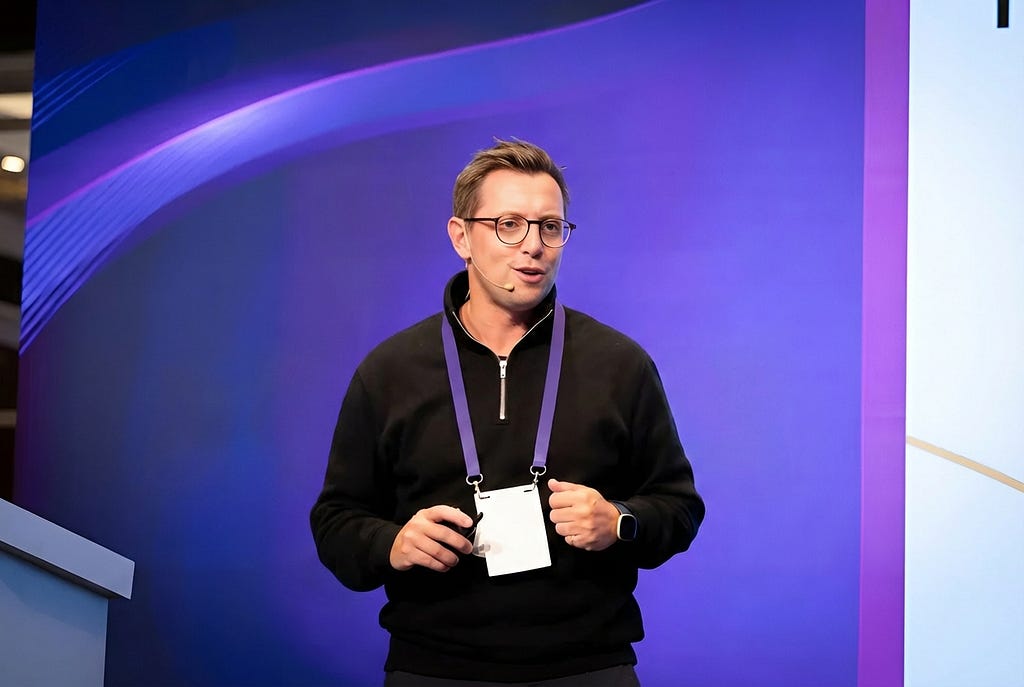
As a part of this series, I had the pleasure of interviewing Nick Bartlett.
Nick Bartlett is a proud New Zealander who co-founded Wayfindr in Hong Kong alongside Chris Crutchley, after walking away from an exhausting corporate career. With 15+ years across logistics, supply chain, sales, and marketing, he has helped over 100 e-commerce brands scale globally. Nick is driven by building tech-led logistics programs that put brand outcomes ahead of legacy thinking.
Thank you so much for joining us in this interview series. Before we dive into the discussion, our readers would love to “get to know you” better. Can you share your backstory and what brought you to your current career path?
I’m a proud New Zealander who ended up in Hong Kong working for Shell, stuck in a soul-sucking corporate job for a company destroying the planet. My now-business partner Chris Crutchley was in a similar situation at HSBC in finance. We’d been kicking around ideas for a while, and it all came together over beers on a beach in Vietnam during a holiday with our wives. We founded what’s now Wayfindr in 2017, bootstrapped it from zero to eight figures, and I’ve been obsessed with fixing global logistics for e-commerce brands ever since.
Was there a defining moment when you realized that building a personal brand was no longer optional for leaders, it was essential?
The importance of personal brand has always been in the back of my mind, but like everyone else, I’ve had my anxieties about it. It wasn’t so much a lack of confidence — it was more about wanting to make sure this wasn’t just a “Nick show.” I wanted whatever I was talking about and building to be genuinely valuable for other people. The defining moment came during our rebrand process. We had some personal brand presence, but not a lot. The rebrand from our old brand, CBIP, to Wayfindr (which we rolled out in 2025) really heightened the need and importance of it. That’s when I realized we couldn’t afford to wait any longer.
How would you describe the relationship between your business brand and your personal brand today? Do they operate separately, or are they intentionally intertwined?
In all honesty, they’re pretty aligned. A good stress test for this is asking your friends to describe what you do and what you’ve become famous — or infamous — for. People know my personal brand is authentic, caring, and diligent, with a real intentional humbleness around it. And our brand at Wayfindr is trying to do the same thing. We recently rebranded from CBIP to Wayfindr. With CBIP, there probably wasn’t as much connection between my personal brand and the company. But now with Wayfindr, I feel like the tone, the style, the voice — it all leads really well between our personal and business brands. We’re intentionally operating them so they’re intertwined.
What’s the biggest misconception people have about personal branding for established leaders or executives?
The biggest misconception is that it’s just a “me show.” Yes, there are people who build a brand entirely about themselves — that’s more on the social, lifestyle side of personal branding. But in the business world, the reality is your personal brand needs to create value. And if it doesn’t, people simply aren’t going to follow you. It’s pretty simple. Look at someone like Steven Bartlett. He’s built his personal brand in line with what he cares about and his mission for delivering education and valuable information so people can be better. The information he provides hasn’t all been his own — it’s been crafted and curated by him, but brought to life by many others.
Can you share a time when becoming more visible personally directly benefited your company or career?
Absolutely. We’ve seen a direct correlation between putting ourselves out there — whether it’s speaking at events, LinkedIn videos, articles, podcasts, or press features — and new commercial opportunities landing in our inbox. One specific example: just last quarter, we got invited to a major RFP we probably never would have been considered for. When we asked the prospective client how they found us, they said it came down to three things — my weekly LinkedIn posts positioning myself as an expert in e-commerce logistics, a South China Morning Post article where I was quoted, and a few podcast interviews they’d found. Those three touchpoints helped them validate both the business and me as a leader worth betting on. That was a real lightbulb moment. It proved that personal brand isn’t vanity — it’s a credibility shortcut for prospects who are already doing their homework on you.
What were some of the first steps you took to define your personal narrative or thought leadership platform?
We’re still working on this — I think it’s probably never done as a finished product. But we’re taking a more definitive position on it and making sure our narrative comes out cleanly and with authenticity. The first step was making sure our personal brand and the company brand were aligned. The second was structuring our content into three categories: informative (things that are happening), educational (things you need to know), and then more fun, humorous, style-based content. The educational piece is the real driver of thought leadership. We’re a long way from being the undisputed leaders in the space, but I really believe the 4PL model, our business, our people, and our knowledge aren’t being shared well enough. We can add a lot of value to brands.
Many leaders fear self-promotion or worry about appearing “too public.” How did you overcome that mindset, and what advice would you give others struggling with it?
I’m from a small country in the South Pacific where we have something called “tall poppy syndrome” — people tend to cut you down before you’ve even grown up. So in lots of ways, I’m kind of used to it. I think as long as you keep your feet on the ground and maintain an appreciation for what has come and what’s still to be done, that helps you overcome it. The perception of something may be one thing, but the reality is always different. My honest view is that you can’t be too worried about what other people think. Embarrassment is the price of entry. You have to do stuff that’s uncomfortable. And being uncomfortable is where I love to live — even though I hate it, I love it all at the same time. My advice for others is simple: just be yourself. We live in a world where every story, every reel is crafted, curated, and positioned well. You rarely see terrible content in the B2B space these days. So you have to back yourself. Be confident. Believe that whatever you’re chasing, whatever your mission is, you can help at least one person. If you can satisfy that, then you’ve got something to work towards.
How has media, including interviews, podcasts, and social platforms, helped amplify your personal voice, and what lessons have you learned from those experiences?
It’s certainly helped, though we haven’t done as much as we need to yet — we’re still on that journey. What I’ve learned is two things. First, you learn about yourself and maybe gain an appreciation you didn’t have before. When you tell your story to others and they respond with genuine interest, it helps with self-confidence and validates the value you’re creating. Second, we haven’t had any negative responses from what we’ve tried to do. That tells me we’re talking about the right things. It’s not the “me show” or the “Nick show” — it’s the Wayfindr show, and our show is about creating value for people. That’s been the best approach. The other lesson is that there’s a lot of noise out there, so you have to be filtered and tactical about where you want to be seen. There are lots of avenues you could claim exposure through, but not all of them are worthwhile. One example of this is being quoted multiple times on South China Morning Post, arguably the most important newspaper that covers Hong Kong/China/East Asia., regarding the Trump Tariffs and our expertise on navigating those tariffs. That’s exactly the type of media we need to be subjected to, and it really helped position my personal brand as a key person of influence on that topic and helped elevate our brand as experts on the topic. This is the whole point of personal branding in a heavy b2b industry like ours.
Can you share a mistake or misstep you made early in your personal branding journey, and what it taught you?
My major mishap was that I just wasn’t aggressive enough with personal branding. I wasn’t authoritative enough in my own confidence, my own knowledge, and my own execution. That kind of dragged us along. We could have started this a lot earlier and been much further ahead by now. My mistake was not starting early enough and not backing ourselves quickly enough. We are now, which is great — but we could have done it sooner.
How do you ensure that your personal brand evolves as you and your business grow, without losing credibility or focus?
The key is staying true to your values. If your values change and your business is pivoting every two seconds, it becomes really difficult to build credibility or maintain focus. For me, Chris (my business partner) and I are really aligned on our personal values, and then the brand values — meaning how the company wishes to be seen in the market and how it shows up. So much of our personal brand and business brand is tied to consistency to ensure credibility. But we also need to keep stretching ourselves. Consistency is important, but so is pushing forward.
In a crowded market, what do you do to sound like yourself instead of generic ‘thought leadership’?”
Honestly, I just love being me. I don’t try to be anyone else. I just try to deliver it legitimately and authentically — with a bit of humor and a bit of realness too. We live in a world with so much garbage in it. It’s hard to know what’s real or not. So I think just being really raw helps to generate genuine thought leadership. But it’s also about being in the right places and being seen with the right people. Perception is everything. Optics are everything. You could have amazing content but be in all the wrong places. Or you could have mediocre content and be in the right places. We know which combination actually gets attention: good content AND being in the right areas.
How do you measure whether your personal brand is working, what signals matter, and what signals don’t?”
Anecdotal signals are always a good one — speaking to people in the market and hearing what they’ve seen. Christmas time and water cooler conversations are great because you get a real sense of where people are at and what they’re noticing from you. Obviously there’s also the analytical metrics — LinkedIn analytics, tracking engagement wherever we show up, conversion rates from PR mentions and backlinks, that kind of thing. That helps give us a sense of whether it’s working or not. I’ve got really high expectations of myself, so for me, there’s still a lot to do before I’d call it a great success.
Here is our main question. Based on your experience, what are the top 5 strategies leaders can use to build a personal brand that outlasts their business? (Please share an example or story for each.)
1. Build content that drives other people’s involvement.
Instead of owning the show and keeping all the visibility for yourself, hand down the torch. Make sure there’s enough visibility across the business and across other people. Think of the Berkshire Hathaway guys — there’s succession in the public domain that people get confidence from, and that outlasts the individual. I’d help build the brand of people around me as much as my own to ensure continuity.
2. Find subject matter experts within your team to lead on specific trends.
Look for trends where there are people in the business better suited to talk about those topics than you — whether it’s media trends, TikTok, e-commerce behaviors, marketing or advertising trends. Getting people inside the business with real subject matter expertise to build their own personal brand not only helps them, it helps the company outlast the personal brand of the founder.
3. Be really wide in your ecosystem.
A lot of people get to the end of their careers and don’t have a relationship with anything outside their company. For me, I want to make sure I have a strong relationship with the ecosystem we coexist in. If you’re a banker, you work with lawyers, accountants, insurance agents, and customers all collectively on common goals. A robust ecosystem means you can pivot and continue to create value even after you leave the business — from a different perspective, but in the same world.
4. Position yourself — and the key stakeholders in your business — as genuine experts.
In B2B services, people buy from people. That’s the reality. Customers aren’t just buying a service or a solution — they’re buying from experts they trust. So it’s not enough to build just your own personal brand. You need to position yourself and the main stakeholders in your business as the go-to experts in your niche. When a potential customer is evaluating you, they’re not just looking at your company — they’re looking at the people behind it. Make sure those people are visible, credible, and clearly know what they’re talking about.
5. Build your brand to pass the “audit.”
In a B2B industry where the average deal is north of five million dollars, you have to remember that when a customer asks for a proposal, they’re looking at five other proposals at the same time. And they’re not just comparing pricing or capabilities — they’re essentially auditing your brand and the key stakeholders behind it. They’ll check your LinkedIn, they’ll look at your content, they’ll see what you’ve been saying and where you’ve been showing up. So build your personal brand with that audit in mind. Make sure that when they do their research, you’re perceived as an absolute expert in your field. Because at that deal size, credibility isn’t optional — it’s the deciding factor.
You are a person of enormous influence. If you could inspire a movement that would bring the most amount of good to the most amount of people, what would that be?
My movement would be around everyone being better. We’re so much more capable than what we actually get out of most people. When I was 18 or 19, I did a leadership course in high school, and afterward I was asked to come back as a leader on the program. It was a leadership program for students in their final year, and so much of it — I’ll never forget it, 20 years on — was about lifting the lid. Being extraordinary. Being a version of yourself that only you really know you’re capable of. I think if we push ourselves just 1% harder — or whatever percent harder — we will be better. So if I could get everyone to be on a mission to be better, that would be awesome.
How can our readers continue to follow you or your company online?
You can follow me on LinkedIn for the most active updates and where my personal brand comes through the clearest as a key opinion leader in the 4PL space. You can follow us on our social pages — Instagram to see what our company brand is all about. And you can visit our blog where we are constantly publishing new content at wayfindr.io/blogs
Thank you for sharing these insights!
The Future Is Personal: Nick Bartlett of Wayfindr On How Leaders Are Building Brands That Outlast… was originally published in Authority Magazine on Medium, where people are continuing the conversation by highlighting and responding to this story.