The Future Is Personal: John Abrams of South Mountain Company On How Leaders Are Building Brands That Outlast Their Businesses
Workers have been left behind. The very people who help to build successful businesses are the ones who benefit the least. I am trying to elevate a movement toward widespread employee ownership, which will foster greater wealth and engagement for working people.
As a part of this series, we had the pleasure to interview John Abrams.
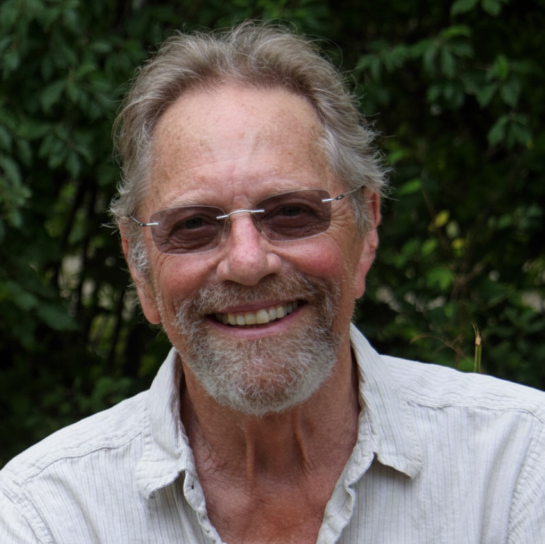
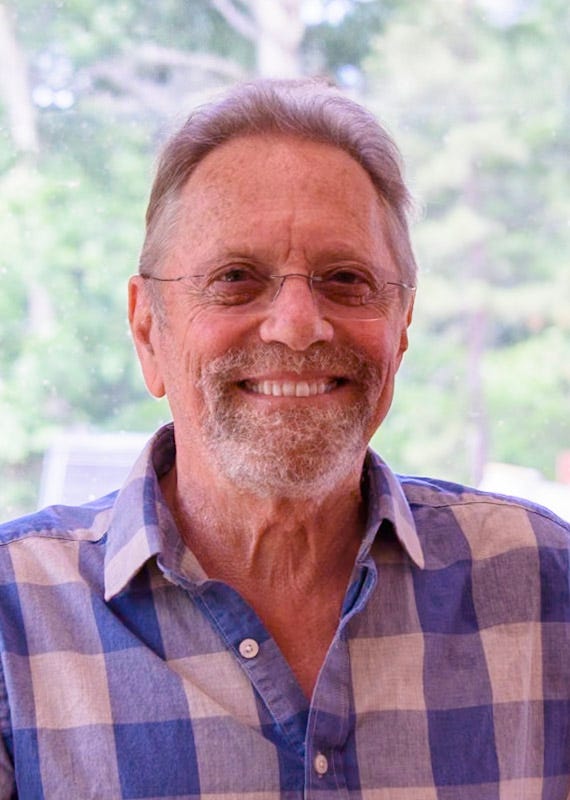
John Abrams is an author, entrepreneur, and community activist. In 1973 he founded South Mountain Company (SMCo) Today this employee-owned integrated architecture, construction, and solar firm is among the world’s highest-scoring B-Corps. In 2022 he co-founded Abrams+Angell, where he guides companies through employee ownership conversions. John’s latest book, published in 2025, is From Founder to Future: A Business Roadmap to Impact, Longevity, and Employee Ownership
Thank you so much for joining us in this interview series. Before we dive into the discussion, our readers would love to “get to know you” better. Can you share your backstory and what brought you to your current career path?
When I entered college, in 1967, the Vietnam War was raging and America’s youth were outraged. Many of us, along with our activism, embraced the idea of inventing a new way of living that borrowed from simpler times and eschewed the suburban consumerist values we were raised to. During a five year back-to-the land odyssey, I gained a passion for both collaboration, from experimenting with communal living, and for building, from fixing up dilapidated buildings and making new ones out of old dismantled barn parts. These two notions — collaboration is preferable to competition, and the idea that everything is a design problem, became throughlines in my career.
I co-founded South Mountain Company inadvertently in the early 70s at the age of 23, and strictly by the seat-of-the-pants. Despite our lack of training, experience, and business skills, the company grew and prospered. In 1987, when two long-time employees and friends wanted to stay with the company but needed more of a stake, I converted the company to a worker cooperative. At the time there were about a dozen in the U.S. (most of these still exist today, more than 40 years later).
Over time South Mountain became a 40-person integrated architecture, building, and solar company which has been, at times, the highest-scoring B Corp in the world. In 2022 I retired from South Mountain after a long journey of building internal leadership capacity and passed it on to second generation leadership. Today it is thriving, and I have shifted my attention to writing and to helping other companies convert to employee ownership.
Was there a defining moment when you realized that building a personal brand was no longer optional for leaders, it was essential?
I never felt that a personal brand was necessary, but a defining moment came early in my career when an older friend and mentor, who appreciated our work, came to see a house in progress. He said, “Beautiful, beautiful work . . . just splendid.” And then, “Are you making any money?”
“No,” I chuckled, “we seem to lose money on every project we do.”
“Well, Abrams,” he said, “You’ve got a unique idea. Subsidized housing for the rich.”
That bombshell inspired me to learn about business — what it is, how you do it, and what it can mean for our communities and our world (and how to make subsidized housing for those who need it!). Business as a force for good.
How would you describe the relationship between your business brand and your personal brand today? Do they operate separately, or are they intentionally intertwined?
There’s no difference. My personal brand is entirely woven together with the uncommon approach to business that has been characteristic of my entire career.
What’s the biggest misconception people have about personal branding for established leaders or executives?
HaHa, probably that we — personally — matter more than we do, when what really matters is the values and culture of our businesses and the lives of the people we serve and the employees who help us build the business.
Can you share a time when becoming more visible personally directly benefited your company or career?
We were a small local business that did not want to expand our geographical reach or our size. But we did want to share what we learned. And as I began to speak and write about our company its reputation was greatly enhanced, and that contributed to our success in many ways.
What were some of the first steps you took to define your personal narrative or thought leadership platform?
First, embracing countercultural values and environmental building, and second, becoming employee owned.
Many leaders fear self-promotion or worry about appearing “too public.” How did you overcome that mindset, and what advice would you give others struggling with it?
Although I have a very public persona, I am still uncomfortable with self-promotion. I feel that this discomfort is healthy.
How has media, including interviews, podcasts, and social platforms, helped amplify your personal voice, and what lessons have you learned from those experiences?
In mid-career, at the age of 55, I took two six-month sabbaticals and wrote a book. At that point I became more of a public figure and I learned that I could inspire others. That was surprising and rewarding.
Can you share a mistake or misstep you made early in your personal branding journey, and what it taught you?
I became the public face of affordable housing in my small region, and people began to think that was the primary work of our company. That became problematic because we were still reliant on high-end custom work, and people were less inclined to think of us for those projects that were our brads-and-butter. I learned that it’s important to maintain balance in your public perception and not to get associated too fully with only one aspect of your work.
How do you ensure that your personal brand evolves as you and your business grow, without losing credibility or focus?
I think it’s pretty simple. Be yourself. Authenticity and humility go a long way.
In a crowded market, what do you do to sound like yourself instead of generic ‘thought leadership’?”
Give credit to others, stay humble, and fearlessly express my un-edited points of view.
How do you measure whether your personal brand is working, what signals matter, and what signals don’t?”
Again, by being truly authentic there’s nothing to measure and no signals to monitor. The outcomes will be what they will be. We all have good days and bad days; we just have to accept those times when we’re not at the top of our game.
Here is our main question. Based on your experience, what are the top 5 strategies leaders can use to build a personal brand that outlasts their business? (Please share an example or story for each.)
1. Embrace Complete Authenticity.
Be yourself. Share your weaknesses and mistakes, and what you have learned from them, as well as your strengths and successes.
2. Build a 100-year Company.
Rather than building a personal brand that outlasts your business, build a 100-year business that outlasts you.
3. Start Succession Planning Today.
Don’t wait; it’s never too early. Everything you do to prepare for succession — achieving readiness — is everything you do to make a good business.
4. Share ownership.
At South Mountain sharing ownership early on (when I was 35) was a hinge point which I think was a major contributor to whatever modest successes we had subsequently.
5. Intentionally build internal company leadership strength so there are new leaders to replace you.
At South Mountain we began this 15 years before my retirement and worked on it intensively during the last three.
You are a person of enormous influence. If you could inspire a movement that would bring the most amount of good to the most amount of people, what would that be?
That’s easy. Workers have been left behind. The very people who help to build successful businesses are the ones who benefit the least. I am trying to elevate a movement toward widespread employee ownership, which will foster greater wealth and engagement for working people. Essentially the book is an ode to the America to come, the one where we all share the bounty and change the trajectory of our economy and society. That’s the story. That’s the message. That hope is, in a nutshell, why I wrote From Founder to Future.
How can our readers continue to follow you or your company online?
www.abramsangell.com. You can subscribe to my blog there and you can order my book there.
Thank you for sharing these inspiring insights!
The Future Is Personal: John Abrams of South Mountain Company On How Leaders Are Building Brands… was originally published in Authority Magazine on Medium, where people are continuing the conversation by highlighting and responding to this story.