An Interview With Chad Silverstein
Combining virtual and in-person coaching offers flexibility and accessibility. During the pandemic, I transitioned to virtual coaching for my team, which allowed us to stay connected and productive despite physical distance. The mix of formats has since become a staple of our approach.
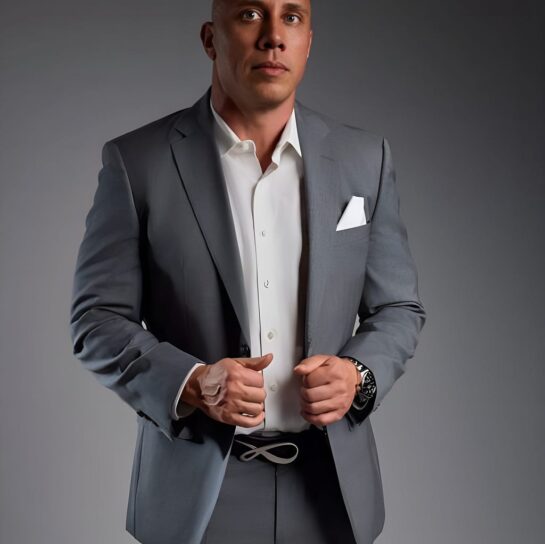
The world of coaching is undergoing a seismic shift, with emerging trends set to redefine its boundaries and possibilities. From digital transformation and the integration of artificial intelligence to the growing emphasis on mental health and the global rise of coaching cultures within organizations, these developments are reshaping the landscape of personal and professional growth. As we navigate through these changes, understanding the forces that drive the future of coaching becomes paramount. I had the pleasure of interviewing David Price
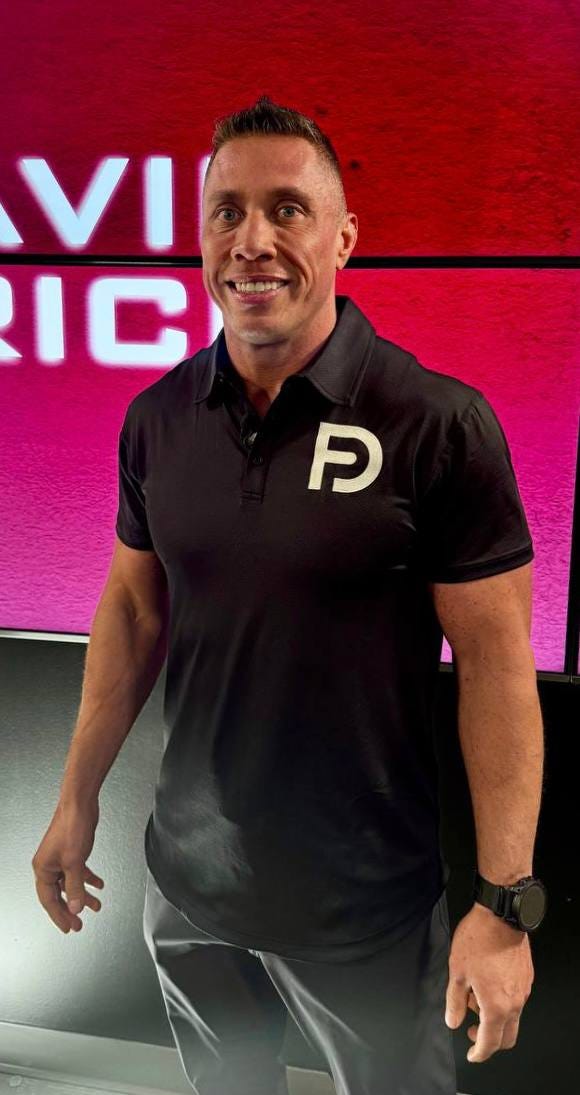
David Price is the CEO and Founder of The Price Group — one of the fastest-growing agencies in the insurance industry. He entered the industry in 2018 with a strong focus on Final Expense Life Insurance. David became the fastest millionaire in the industry depositing over a million dollars in his bank account within 36 months of getting his insurance license and making over 1 million a year in his 4th full year as a licensed agent. He has created a simple and effective system that has enabled many people to achieve multi-six-figure incomes from the comfort of their own homes. David firmly believes that anyone, regardless of their profession or skill level, can obtain a license and create a 6-figure income with hard work. As the owner of the fastest-growing agency in the industry, David has personally mentored some of the most accomplished sales agents in the country. His unwavering commitment to helping others achieve success has earned him a reputation as a leader in the insurance industry.
Thank you for joining us. To start, could you share your “origin story” with our readers? How did you begin your coaching journey, and what challenges did you face in the early days?
My journey into coaching started in an unexpected way through my own struggles. In the early days of running The Price Group, I found myself facing immense pressure. The responsibility of leading a team, making critical decisions, and ensuring our business thrived was overwhelming at times. I realized I needed help, not just in managing the business, but in developing myself as a leader.
That’s when I sought out a mentor and began my own coaching journey. What struck me was how transformative coaching was — not just for my business, but for my mindset and approach to leadership. It wasn’t about learning specific strategies; it was about gaining clarity, building confidence, and developing the emotional intelligence necessary to lead effectively.
The biggest challenge I faced in the early days was the fear of vulnerability. As a leader, I thought I needed to have all the answers, but coaching taught me that it’s okay to ask for help and that real growth comes from embracing the process of continuous learning.
As I grew through coaching, I began integrating those same principles into my leadership style and eventually started coaching others, helping them navigate their own challenges with the same clarity and confidence I had gained. Coaching has since become a cornerstone of both my personal and professional life. It’s more than just a tool it’s a mindset that has shaped how I lead, learn, and support others.
You are a successful business leader. Which three character traits do you think were most instrumental to your success? Can you please share a story or example for each?
1.Resilience: In the early days of my business, we faced tough times — financial struggles and uncertainty. But instead of giving up, I focused on finding solutions and pushing forward. Resilience helped me turn challenges into opportunities and taught me the importance of never giving up, no matter how hard things get.
2.Empathy: Understanding my team and connecting with them has always been key. During a difficult restructuring, I made sure to speak with each affected employee personally, showing them respect and care. Empathy helped maintain trust and loyalty, even through tough decisions.
3.Adaptability: When the pandemic hit, everything changed overnight. I quickly adapted by embracing new tools, moving to remote work, and finding new ways to keep the business running smoothly. Being adaptable allowed me to navigate uncertainty and keep moving forward.
Can you share your favorite “Life Lesson Quote”? Why does that resonate with you so much?
One of my favorite life lesson quotes is: “It’s not the years in your life that count. It’s the life in your years.” — Abraham Lincoln
This quote resonates with me because it reminds me that success and fulfillment aren’t measured by time or milestones, but by how we live those moments. In my journey as a leader, I’ve learned that the impact we make the relationships we build, the challenges we overcome, and the way we grow is what truly defines our legacy.
It’s easy to get caught up in the daily grind, but I believe that making the most of every opportunity, embracing every challenge, and living authentically is what gives life meaning. It’s about putting heart into everything you do, no matter how small the task may seem.
What are some of the most interesting or exciting projects you are working on now? How do you think that might help people?
I’m currently working on two exciting projects that I’m passionate about. First, I’m developing a leadership program that helps leaders grow in areas like emotional intelligence, resilience, and adaptability. I believe that when leaders feel confident and equipped to face challenges, they can inspire and empower their teams to do the same. This program is designed to make leaders not just better at their jobs, but better people.
Second, I’m creating a mentorship initiative within my agency. It’s all about connecting people with mentors who can guide them through their personal and professional journeys. I’ve seen firsthand how mentorship can unlock potential and provide the support needed to thrive.
Both of these projects are about helping people grow, find their strength, and create lasting change. By investing in others, we’re not just improving their lives we’re building a stronger, more supportive community.
Without saying any names could you share a particularly memorable success story from your coaching career?
One of the most memorable success stories from my coaching career involves a leader who was struggling to connect with their team. They were brilliant at strategy but had difficulty fostering trust and communication with their people. After working together for several months, we focused on developing their emotional intelligence and active listening skills.
The breakthrough moment came when they decided to take a more personal approach — spending one-on-one time with team members and genuinely listening to their concerns. Within weeks, the team’s morale and performance improved dramatically. The leader found a new sense of purpose and began to inspire others in a way they hadn’t before.
What made this story particularly special was seeing how small shifts in behavior can transform not just the individual, but the entire team dynamic. It reinforced for me that leadership is about connection, trust, and the ability to adapt to the needs of others.
Ok, thank you for that. Let’s now jump to the primary focus of our interview about coaching. How has your approach to coaching evolved over the years, and what personal learnings have you applied to your own development?
Over the years, my approach to coaching has evolved as I’ve gained more experience and insight. In the beginning, I focused heavily on providing advice and offering solutions to challenges. However, I quickly learned that the most effective coaching isn’t about giving answers — it’s about helping people discover their own solutions and empowering them to realize their full potential.
One of the biggest personal learnings I’ve applied to my own development is the power of active listening. Early on, I was quick to share advice, but I’ve come to understand that truly listening to someone — without rushing to fix things — leads to deeper insights and stronger connections. It’s about creating space for people to express themselves, which allows them to come to their own realizations.
Additionally, I’ve shifted towards a more holistic approach. Initially, I concentrated on professional development, but I now recognize the importance of considering someone’s entire life — mental, emotional, and even physical well-being. I’ve learned that when all areas of a person’s life are nurtured, the growth they experience is more lasting and impactful.
Today, my coaching approach is centered around empowerment, trust, and self-reflection. I’ve learned that the most profound transformation comes when people realize their own strengths, and I now focus on helping them tap into those strengths to navigate challenges. This mindset has not only shaped my approach to coaching but has also become a guiding principle in my personal life and leadership.
How do you incorporate feedback into your coaching practice to continuously improve?
Incorporating feedback into my coaching practice with my growing team is about creating a culture of open communication and continuous learning. I regularly ask team members for input after key projects or milestones, focusing on what worked and what can improve. I also prioritize self-assessment, reflecting on my coaching approach and its impact. By staying flexible and adapting based on team feedback and industry trends, I ensure our coaching strategies evolve to meet their needs and drive growth.
Can you discuss an innovation in coaching that you believe is currently underappreciated but has the potential to significantly impact the field?
One underappreciated innovation in coaching is the use of AI-driven tools for personalized development plans. These tools can analyze strengths, weaknesses, and progress, offering tailored insights and actionable steps for growth. While some see AI as impersonal, I believe its potential to enhance coaching by providing real-time, data-backed support is a game-changer. When combined with a human touch, it creates a powerful balance of precision and empathy, helping individuals and teams reach their goals more effectively.
In what ways can coaching address the evolving mental health needs of diverse populations in a digitally connected world?
Coaching can address evolving mental health needs by focusing on accessibility, cultural sensitivity, and holistic support. In a digitally connected world, virtual coaching platforms allow people from diverse backgrounds to access support from anywhere, breaking down geographical and financial barriers. Coaches can also use culturally informed practices to create a safe, inclusive space that respects individual experiences and identities. Additionally, integrating mental health awareness with skill-building and stress management tools empowers individuals to thrive both personally and professionally. By blending technology and empathy, coaching can make a meaningful impact on diverse populations.
How do you foresee artificial intelligence and machine learning transforming the coaching industry in the next decade?
Artificial intelligence and machine learning are set to revolutionize the coaching industry by amplifying personalization and scalability. Imagine a future where AI acts as a co-coach, analyzing patterns in behavior, performance, and engagement to deliver real-time insights tailored to each individual’s journey. This will allow coaches to focus on the human element — empathy, intuition, and connection — while AI handles the data-driven nuances. Moreover, machine learning can help identify hidden potential and predict challenges, enabling proactive coaching strategies. This blend of technology and humanity promises to unlock growth on a scale we’ve only begun to imagine, making transformative coaching accessible to everyone, everywhere.
What role do you believe ethical considerations and privacy concerns will play in the future of coaching, especially with the increased use of digital platforms?
Ethical considerations and privacy concerns will play a pivotal role in shaping the future of coaching as digital platforms grow. Trust is the foundation of any coaching relationship, and safeguarding personal data is essential to maintaining it. Coaches and platforms must be transparent about how data is collected and used, ensure secure storage, and respect confidentiality at all times. By prioritizing ethics and privacy, we not only protect clients but also strengthen the credibility of the coaching industry in an increasingly digital world.
Could you list and briefly explain “Top 5 Trends Shaping the Future of Coaching” based on your experiences and insights?
1 . AI-Enhanced Personalization
AI is enabling highly personalized coaching by analyzing patterns in behavior and performance. For example, I recently worked with a team using AI tools to track individual progress and suggest tailored growth strategies. This helped us identify unique strengths and opportunities that might have otherwise been overlooked.
2 . Focus on Mental Wellness
Coaching is shifting toward addressing mental wellness alongside professional goals. I once coached a manager who struggled with burnout. By integrating mindfulness and stress management techniques into our sessions, they regained balance and improved their leadership skills.
3 . Inclusive Coaching Practices
Diversity and inclusion are becoming central to coaching. I’ve seen how culturally sensitive approaches can transform outcomes. For instance, I adjusted my coaching style to align with a team member’s cultural values, creating trust and unlocking their full potential.
4 . Hybrid Coaching Models
Combining virtual and in-person coaching offers flexibility and accessibility. During the pandemic, I transitioned to virtual coaching for my team, which allowed us to stay connected and productive despite physical distance. The mix of formats has since become a staple of our approach.
5 . Data-Driven Insights
Data is now a key tool in measuring progress and outcomes. For example, I use analytics to review team performance and set measurable goals. This not only keeps everyone on track but also motivates them by highlighting their achievements in real time.
How do you envision the integration of coaching within organizational cultures changing the landscape of leadership and employee development?
Integrating coaching into organizational culture is changing leadership and employee development by making growth a daily focus. Leaders are becoming coaches, guiding their teams with empathy, feedback, and support.
In my experience, this shift creates a ripple effect — team members feel valued, grow their skills, and take on challenges with confidence. It’s no longer just about individual success; it’s about building a culture where everyone grows together, driving innovation and stronger results.
What do you see as the biggest challenge facing the coaching industry today, and how might we overcome it?
The biggest challenge facing the coaching industry today is maintaining human connection in an increasingly digital world. While technology offers incredible tools, it can sometimes feel impersonal. To overcome this, we must blend the best of both worlds — using technology to enhance our coaching while ensuring that empathy, trust, and real human connection remain at the core.
In my own experience, combining digital tools with meaningful face-to-face interaction has created a more dynamic and impactful coaching experience. By staying grounded in our purpose and values, we can harness technology to amplify our ability to truly connect and inspire growth.
What is one long-term goal you have for your coaching practice, and how are you working towards it?
One long-term goal for my coaching practice is to create a global network where leaders and teams can access high-quality coaching no matter where they are. To achieve this, I’m working on expanding my digital coaching platforms, integrating AI to personalize learning, and building partnerships with other industry experts.
I’m also focused on developing a coaching community that fosters continuous learning and collaboration. By staying innovative, adaptable, and committed to creating value, I aim to make coaching accessible, impactful, and scalable across borders, helping leaders unlock their potential worldwide.
How can our readers continue to follow your work?
If you’d like to follow my work and stay connected, you can find me on various platforms where I share insights and content on leadership, personal development, and business strategies:
► Instagram: @davidpriceofficial
► TikTok: @davidpriceofficial
► Facebook: @davidpriceofficial
► Snapchat: @davids_life365
► Twitter: @IAMDavidPrice
► LinkedIn: David Price
► Website: tpglife.com
I’d love for you to join me as I continue sharing valuable content to help you grow and succeed!
Thank you for offering such valuable insights into the future of coaching. We look forward to seeing your work continue to reach new heights, and we wish you continued success.
About the Interviewer: Chad Silverstein is a seasoned entrepreneur and Thought Leader with over 25 years of business experience. He has founded, operated, and exited multiple companies and now builds into a handful of high impact CEOs. Chad has launched multiple online communities, including a recent leadership development platform, and also serves as a strategic advisor for Authority Magazine’s thought-leader incubator program.
To learn more and connect with Chad visit: chadsilverstein.io
David Price Of The Price Group On The Top 5 Trends Shaping the Future of Coaching was originally published in Authority Magazine on Medium, where people are continuing the conversation by highlighting and responding to this story.