
Winning Together: Justin Ferland of Serendipity Labs Costa Mesa On How Strategic Partnerships Can Unlock New Sales Opportunities
An Interview With Chad Silverstein
A strategic partnership benefits both parties equitably and is focused on not only short-term goals but also a long-term relationship.
Strategic partnerships have the potential to unlock growth and create new opportunities in ways that businesses can’t achieve alone. To explore this important topic, we had the pleasure of interviewing Justin Ferland.
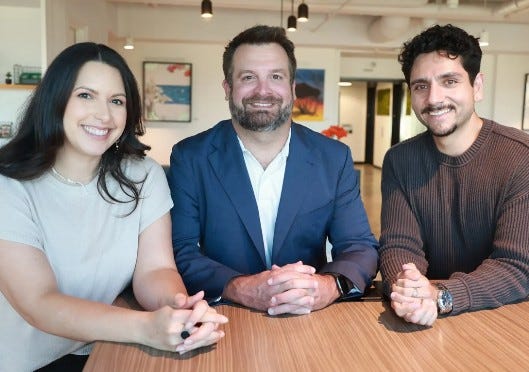
Justin Ferland is the General Manager of Sales and Operations at Serendipity Labs Costa Mesa, where he leads growth through community-driven partnerships and an advisory, people-centered sales approach. With more than 15 years of leadership experience across hospitality, consulting, and operations, he has built and scaled teams and led successful operational and cultural turnarounds. Justin is known for creating environments where professionals thrive through trust-based collaboration, strategic partnerships, and meaningful connections. Guided by the belief that a high tide raises all ships, Justin demonstrates how collaboration strengthens leadership and drives meaningful results in both business and life.
Thank you so much for joining us in this interview series. Before we dive into our discussion, our readers would love to “get to know you” a bit better. Can you share with us the backstory about what brought you to your specific career path?
Absolutely! Most of my professional career I’ve been in leadership positions within the hospitality industry. I’ve focused mainly on operations and brand development, and led businesses from struggling concepts to industry success stories. What attracted me to Serendipity Labs was the ability to take that hospitality “toolkit” and translate it directly into building workspaces that offered not just a desk and 4 walls, but meaningful collaboration and thriving communities.
Can you share the most interesting story that happened to you since you began working with partnerships or collaborations?
I honestly think that I’ve been working with partnerships my entire career. I believe that the partnership or collaboration mindset is something that’s somewhat woven into your professional DNA, and you take it with you no matter what industry you may find yourself in.
You are a successful leader. Which three-character traits do you think were most instrumental to your success? Can you please share a story or example for each?
The ability to listen — Everyone — employees, guests, vendors — wants the opportunity to be heard. More often than not, people don’t necessarily expect you to move mountains when a problem arises, but knowing that you genuinely care about the situation begins to put people at ease.
Recognizing your strengths and weaknesses — Focusing on what you do great and surrounding yourself with the people who do what they do well. This not only benefits the company you work for and the audience you serve, but it also makes you a better professional and, more often than not, a better person.
An “even keel” — Being able to stay calm in the face of chaos is something that the team as a whole benefits from. No one wants to see the captain of the ship having an anxiety attack in the face of a difficult situation. Your team looks to you for direction, not panic.
Let’s now jump to the focus of our interview. What does a “strategic partnership” mean to you, and why do you think it’s such an essential part of sales growth today?
A strategic partnership benefits both parties equitably and is focused on not only short-term goals but also a long-term relationship.
How do you go about identifying potential partners that align with your business goals? Are there specific qualities or traits you look for in a partnership?
I look for partners who have the same types of goals that I do personally, because that translates directly into the types of attributes they’d want for their business.
What steps do you take to build trust and ensure that a partnership will be mutually beneficial for both sides?
Trust is built with small steps, the ability to meet or exceed expectations that are well-defined, and the time to be able to do both.
Can you share a specific example of a strategic partnership you were involved in? How did it come about, and what impact did it have on your business?
I was introduced to the general manager of a small, locally owned coffee company. While you might think that there isn’t much of an overlap in industry, we were able to create some marketing initiatives in their café that was adjacent to our business to drive their customers into our space. They featured their coffee in our lab (free of charge to our members), and in turn, we sold their RTD (ready-to-drink) products to our members from our lab café and provided their executive team with conference room space. This allowed us to solve two problems. Getting their customers into our space allowed us the opportunity to sell coworking memberships to a new customer base, and at the same time, freed up café tables in their space to allow for more business.
What role does communication play in maintaining a strong, long-lasting partnership? Are there particular practices or tools you use to keep everyone aligned and engaged?
Communication is always key. Without it, no partnership will continue to succeed long-term. From the start, I urge everyone to be open and honest. Put it all out on the table when discussing ideas, planning, etc. Being on the same page also shows outsiders that it’s a professional strategic partnership and lends more credibility to the relationship. This might also help attract other businesses into the project, seeing that there never seems to be any surprises. People don’t usually like surprises, especially in business.
Let’s now focus on actionable strategies. Based on your experience, can you share “5 Steps to Create Strategic Partnerships That Drive Sales Growth”? If you can, please share examples or stories for each.
1. Don’t Go After a Partnership With Sales Growth as Your Goal. Go After a Partnership With Relationship Building as the Goal.
We’re looking to create something long-term, not a cash grab.
2. Join a Professional Networking Group
These are great places to meet like-minded people who are looking to make connections. People who aren’t serious about growing their business aren’t out after working hours at networking events. These are filled with driven, passionate professionals.
3. “Screen Your Potential Partner”
Ask a good leading question and let them do all the talking. The first conversation is for you to find out all about them. The second conversation is for the reverse to happen. People like to be heard, so let them be heard. This active listening always yields positive results and will allow for the opportunity for a second/follow-up conversation over coffee. That’s your time to shine.
4. If It’s a Good Fit, a Second Meet-up to Showcase What You and Your Business Are All About
Don’t forget, this is a long-term commitment. You’re not going to get a “deal” right away (most of the time), but you’ve now put yourself and your business at the top of mind for another like-minded professional. After you’ve spoken about your business and your goals, finish it up with “what can I or my business do to help support you and what project you’re working on?” This always throws people. No one expects you to ask them how you can help. This shows people that you’re not in it for the quick sale, but for a mutually beneficial partnership.
5. Follow Up!
Send a text, shoot over an e-mail with an article you found that you think is relevant to their business/project, or call for a coffee meeting. Relationships need time to grow; they don’t happen overnight. If you’re consistent with your messaging, when they need what you’re selling, you’ll be the first call. Or if they have someone in their sphere of influence, they’ll refer you. You’ve not only begun to form a strategic partnership, but you’ve also created an advocate for you and your business.
What advice would you give to smaller companies or startups that may not have the resources or networks of larger businesses but want to start building strategic partnerships?
Join a local networking group. I’m not going to lie, it’s going to feel awkward or even forced at first, but the good ones welcome new members in with open arms. These are great places to begin to make some connections. Also, don’t look for groups within your sector. Branch out so that you meet all types of professionals. You’ll be surprised how much you have in common with someone outside of your typical sphere of influence, and I’ve found that’s where some of the best strategic partnerships will come from!
How do you handle challenges or conflicts that may arise in a partnership to ensure that the relationship stays strong and productive?
No relationship can survive without open communication. Problems will undoubtedly arise; however, if you enter the partnership with honesty and transparency and set some communication “rules” from the start, it will make it much easier down the line to be able to speak frankly. Don’t sweep it under the rug; that has never solved a relationship problem.
Can you share a surprising or unexpected lesson you learned from a past partnership?
I know this might seem like an obvious one, but every company/individual goes through similar growing pains in their business. Although an issue you’re facing might seem novel, 99% of the time, someone else has had to deal with the same struggle. There’s a reason they call it the messy middle. Lean on the connections you make and use them as sounding boards.
What trends or changes are you seeing in how businesses approach strategic partnerships, and how do you think this will evolve in the coming years?
As we lean into AI, the importance of strategic partnerships is even more vital. Building relationships both within your industry and in the professional network in general is what will keep people in careers because of the human connections made. While some jobs are being “replaced” by AI, those people who have built strategic partnerships will not only have more leverage within their industry due to their human network, but will also have more opportunities due to the network created.
In your opinion, how do strategic partnerships impact not just sales, but a company’s reputation, relationships, and long-term growth?
If you look at a strategic partnership from only a sales perspective, you’ll never develop that relationship into what it could be. These relationships need to be built on trust, mutual respect for each other’s professional viewpoints, etc. The sales part comes naturally after the relationship is forged. Once you’ve established these types of relationships, the sales part becomes a natural conversation between friends.
You are a person of great influence. If you could start a movement that would inspire more companies to embrace collaboration and partnerships, what would that be? You never know what your idea can trigger. 🙂
Here’s a simple ask: Ask one person every day, “What can I do to support you today?” A coworker, a networking friend, a business that you frequent regularly… This simple question can open up a dialogue that you’d never have otherwise. This will spur the type of conversations that make genuine connections, widen spheres of influence, and help grow businesses! The worst that can happen is that one person feels seen that day.
How can our readers further follow you online?
They can connect with me on LinkedIn.
This was great. Thank you so much for the time you spent sharing with us.
About The Interviewer: Chad Silverstein is a seasoned entrepreneur with 25+ years of experience as a Founder and CEO. While attending Ohio State University, he launched his first company, Choice Recovery, Inc., a nationally recognized healthcare collection agency — twice ranked the #1 workplace in Ohio. In 2013, he founded [re]start, helping thousands of people find meaningful career opportunities. After selling both companies, Chad shifted his focus to his true passion — leadership. Today, he coaches founders and CEOs at Built to Lead, advises Authority Magazine’s Thought Leader Incubator.
Winning Together: Justin Ferland of Serendipity Labs Costa Mesa On How Strategic Partnerships Can… was originally published in Authority Magazine on Medium, where people are continuing the conversation by highlighting and responding to this story.