
An Interview With Chad Silverstein
A purpose-driven culture is one where, everywhere you look, in both the company and the actions of its people, there is clarity around “why we are here.”
Purpose has become the new currency of success in today’s workplace, and leaders who prioritize mission-driven cultures are standing out in the war for talent.
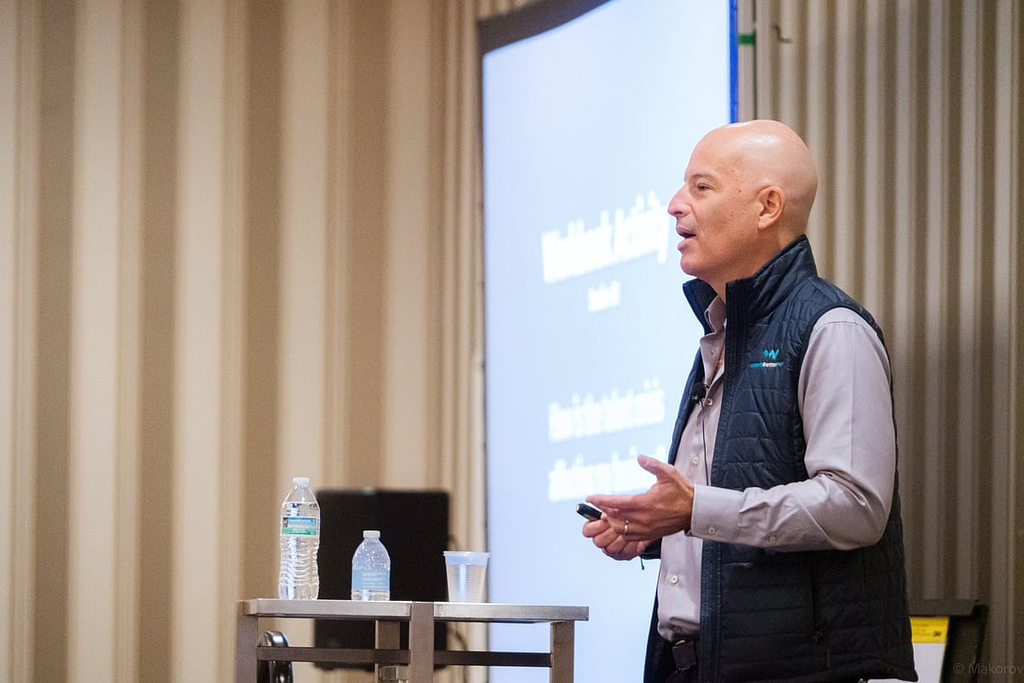
As a part of this series, we had the pleasure to interview Rob Levin.
Rob Levin is the co-founder of WorkBetterNow and author of the bestselling book The New Talent Playbook: The Ultimate Guide to Building Your Dream Team. With over 30 years of experience as an operator and advisor, Rob helps small and midsize businesses (SMBs) build stronger teams and scale more effectively. Previously, Rob founded The New York Enterprise Report, a resource trusted by more than 100,000 business leaders. Rob’s diverse background includes pivotal roles as a “Big 6” CPA, CFO, COO, and CEO, continually driving success and innovation in the SMB sector.
Thank you so much for joining us in this interview series. Before we dive into our discussion, our readers would love to “get to know you” a bit better. Can you share with us the backstory about what brought you to your specific career path?
I have always been fascinated by entrepreneurship. How many teenagers do you know who read Inc. Magazine? (I read my dad’s.) While I started out serving business owners as an accountant, I went on to build a media company that was relied on by 100,000 owners. And WorkBetterNow (WBN), which I co-founded in 2018, helps small and midsize businesses access great talent. One way or another, I have been helping business owners for over 30 years. I believe that business owners are the unsung heroes of this country.
Can you share the most interesting story that happened to you since you began working in leadership, culture building, or purpose-driven organizations?
There are so many. One that comes to mind is when I interviewed noted restaurateur, Danny Meyer. He said that his clients come second because he puts his staff first. By doing that, his staff will take care of his clients. After years of hearing, “the customer always comes first,” Danny’s comment (and his philosophy) really hit me hard and has stuck with me ever since.
You are a successful leader. Which three character traits do you think were most instrumental to your success? Can you please share a story or example for each?
Regardless of who is buying from me, I treat that process as if a friend were buying from me. That means I will educate them, provide my honest opinion (even if it ultimately leads them not to buy from me), and ensure that whatever I am selling is as good as it can be. When Andrew, my business partner, and I started WorkBetterNow, we made sure that every WBN Certified Professional we provide to our clients is someone we would hire ourselves. Today, we have a recruiting department that takes that same care.
Another important trait is that I always try to look three steps ahead. When Andrew and I decided to start WBN, we were brainstorming names. At the time, we only provided executive assistants (we’ve since expanded to more than 35 roles), and many of the names we considered included the word “assistant.” Realizing there was a chance the business could evolve, I suggested we avoid limiting ourselves. That’s how we landed on WorkBetterNow, which is a name that could grow with us and reflect a broader vision.
Let’s now jump into the focus of our interview. What does a “purpose-driven culture” mean to you personally, and why do you think it’s critical for attracting top talent?
To me, a purpose-driven culture is one where, everywhere you look, in both the company and the actions of its people, there is clarity around “why we are here.” It is critical for attracting top talent because top performers want to be part of something meaningful. While this has always been true, it has picked up significantly over the past five to six years. I think this shift is driven by the pandemic and by younger generations in the workforce who want meaning in their work.
How did you identify and define the mission or purpose for your organization? Was it inspired by a particular event, challenge, or insight?
Our mission is to help incredible talent and great companies fulfill their dreams. This was inspired by an insight when we took the time to really think about what we do.
What are the key steps leaders can take to embed purpose into the day-to-day operations and decision-making of their companies?
The most important step for leaders is to have clearly stated core values (that aren’t just words on a wall). They must be lived in everything you do, including hiring, firing, promoting, recognizing, and how the team shows up, especially in uncertainty.
What role does leadership play in championing and modeling a purpose-driven culture? Can you share an example of how you or another leader helped reinforce your organization’s purpose?
Leadership has to set a great example. I can think of two ways our leaders, along with other team members, champion a purpose-driven culture.
First, we routinely share the feedback we receive from our WBN Certified Professionals and clients. This way, everyone can hear about the impact that we are making.
Second, we have the W Awards, where anyone can nominate a team member for going above and beyond while “living” one or more of our core values. Recognizing people in this way is a powerful way to bring our mission and values to life.
How do you handle skepticism or resistance from team members or stakeholders who may not immediately understand the value of focusing on purpose?
If a team member or stakeholder is skeptical or resistant, we coach them. This is usually done by their manager.
Ok, let’s talk strategy. Based on your experience, can you share “5 Steps to Build a Purpose-Driven Culture That Attracts Top Talent”? If possible, please include examples or stories for each.
1. State your mission
When doing so, focus more on the result of what you do rather than just what you do (see the WBN example above).
2. Define your core values
Do this preferably in conjunction with your top performers, who should exemplify your culture. It’s okay to be somewhat aspirational here.
3. Recognize and celebrate when people live your core values
Acknowledging these moments reinforces the culture you want to build and shows the team exactly what success looks like beyond just the numbers.
4. Act when someone isn’t living out your core values
If someone isn’t living core values, they need to move on, regardless of how good their work product is. The sooner the better, as every day that person remains on the team, others begin to question your commitment to those values.
5. Understand that core values may change over time
Core values may change over time. In fact, we are in the process of re-evaluating ours to ensure they stay relevant as we grow.
Can you share a specific example of how embracing a purpose-driven culture helped your company attract exceptional talent or achieve a significant business goal?
We’ve consistently heard from people who want to be part of what we’re building because of the clarity of our mission and the way we operate.
What advice would you give to leaders of smaller companies or startups who want to build a purpose-driven culture but don’t know where to start?
Start with your core values, as mentioned above. Clearly define what you stand for and the behaviors that matter most. From there, make sure those values are lived every day in how you hire, recognize, and lead your team.
What are some common mistakes leaders make when trying to create a purpose-driven culture, and how can they avoid them?
The biggest mistake leaders make is that they develop core values that look good on a website but aren’t reflective of the way the company works.
How do you ensure that your organization’s purpose evolves and remains relevant as your company grows and the world changes?
Great question. Everything is changing so fast. Whether your products and services are changing or not, it is good to re-evaluate your core values every five years or so.
What trends or shifts are you seeing in the workplace regarding purpose, and how do you think these will shape the future of business?
The trend of top talent wanting to be a part of something special will continue to increase. At the same time, as AI takes on more of the “work,” humans will increasingly be relied on to exercise their judgment. That makes well-defined mission and values even more critical, as they provide the guidance people need to make the right decisions.
In your opinion, how does having a purpose-driven culture impact not just employees, but customers, clients, and the broader community?
Whether your customers and clients know your mission or core values, they can feel it. And in a world where trust is at an all-time low, these things become even more important.
You are a person of great influence. If you could start a movement that would bring the most amount of good to the most amount of people by building purpose-driven workplaces, what would that be? You never know what your idea can trigger. 🙂
Your business makes an impact. Think about what the result of that impact is, articulate it, and bring it up at every company meeting.
How can our readers further follow you online?
Follow me on LinkedIn: https://www.linkedin.com/in/robertslevin/
Subscribe on Substack: https://newtalentplaybook.substack.com/
Listen to my podcast: https://www.thenewtalentplaybookpodcast.com/
Buy my book: https://thenewtalentplaybook.com/
This was great. Thank you so much for the time you spent sharing with us.
About The Interviewer: Chad Silverstein is a seasoned entrepreneur with 25+ years of experience as a Founder and CEO. While attending Ohio State University, he launched his first company, Choice Recovery, Inc., a nationally recognized healthcare collection agency — twice ranked the #1 workplace in Ohio. In 2013, he founded [re]start, helping thousands of people find meaningful career opportunities. After selling both companies, Chad shifted his focus to his true passion — leadership. Today, he coaches founders and CEOs at Built to Lead, advises Authority Magazine’s Thought Leader Incubator.
Rob Levin Of WorkBetterNow On How to Build a Purpose-Driven Culture That Attracts Top Talent was originally published in Authority Magazine on Medium, where people are continuing the conversation by highlighting and responding to this story.