
An Interview With Chad Silverstein
Success isn’t just about strategy. It’s about the state you operate from.
The world of coaching is undergoing a seismic shift, with emerging trends set to redefine its boundaries and possibilities. From digital transformation and the integration of artificial intelligence to the growing emphasis on mental health and the global rise of coaching cultures within organisations, these developments are reshaping the landscape of personal and professional growth. As we navigate through these changes, understanding the forces that drive the future of coaching becomes paramount.
As a part of our series, we had the pleasure of interviewing Hannah Power.
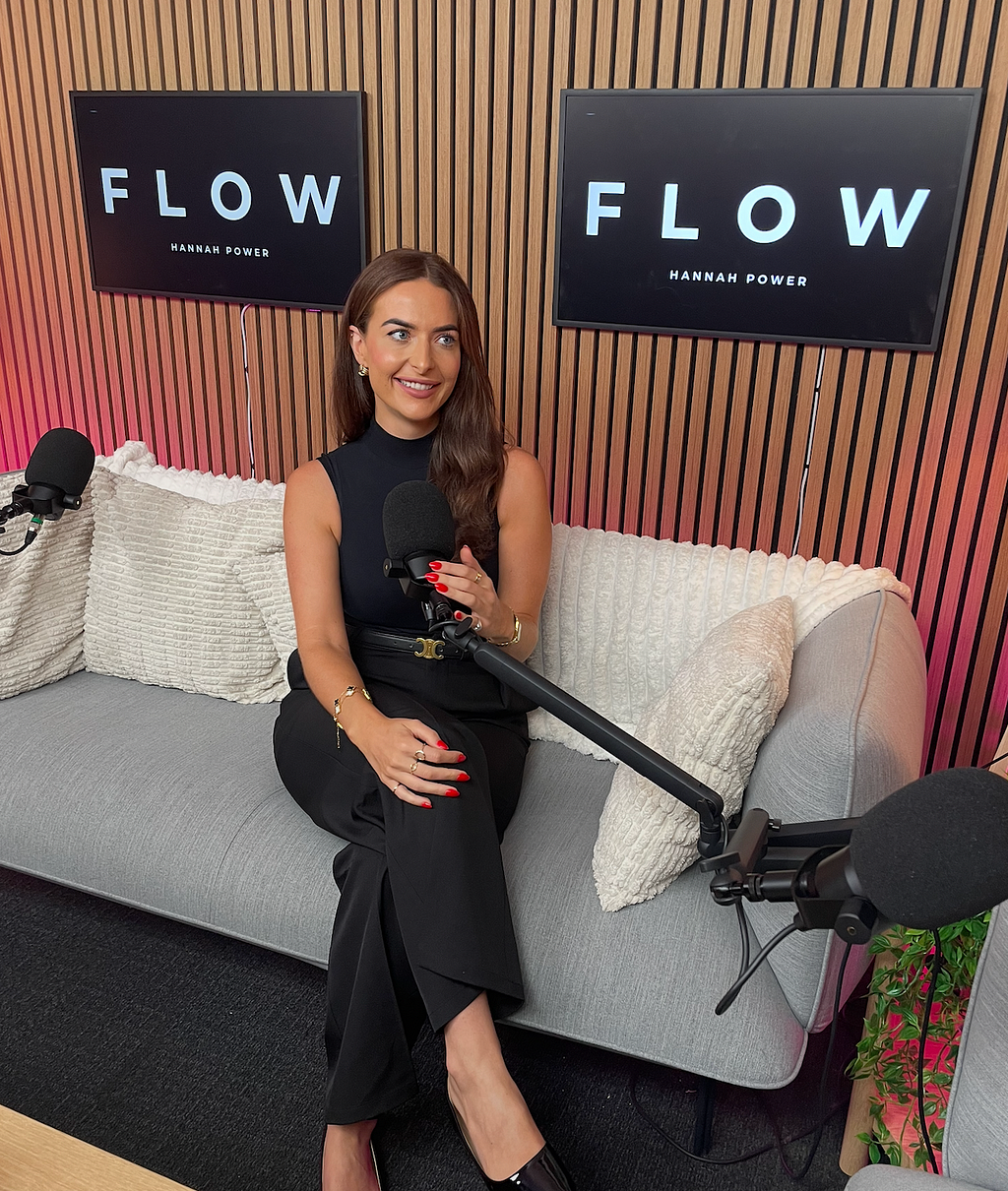
Hannah Power is a Performance Coach and the creator of Performer Mode, an innovative performance framework redefining how ambitious individuals and modern organisations achieve future-proof, high-level results.
Thank you so much for joining us in this interview series! To start, could you share your “origin story” with our readers?
My journey into coaching actually started long before I knew the word “coach.” I grew up around entrepreneurship; both of my parents built businesses, so conversations about ideas, impact, and building something meaningful were normal in our house.
I started my career in consulting, working in technology and large organisations, but what fascinated me most wasn’t the strategy or the systems — it was people. Why do some talented people thrive while others burn out? Why do some organisations unlock extraordinary performance while others struggle despite having smart people and good resources?
Later, when I built my own business, I experienced the full emotional rollercoaster of entrepreneurship myself — burnout, failure, rebuilding, and growth. That experience forced me to look deeper at performance. I realised success isn’t just about strategy. It’s about the state you operate from.
That insight eventually became the foundation of my framework, Performer Mode, which helps people move from chaotic or unsustainable success into a state where high performance and wellbeing can coexist.
How did you begin your coaching journey, and what challenges did you face in the early days?
Like many coaches, I began by helping individuals one-to-one — founders, executives and ambitious professionals who wanted more clarity, confidence and direction in their careers and lives. What started as conversations and advisory work gradually became coaching, as I realised how much people were struggling not with ability, but with how they were approaching performance itself.
In the early days, the biggest challenge was making sense of the patterns I was seeing, both in my clients and in myself. Personal development can easily become abstract or overly philosophical, and I was determined to find a way to explain performance in a way that felt simple, practical and real.
A lot of that insight actually came from my own journey. Early in my career, I spent periods in what I now call Drifter Mode. I had ability and ambition, but not yet a clear direction. I was exploring different paths, trying to understand what I wanted to do with my life and career, and feeling the quiet frustration that comes from knowing you’re capable of more but not yet knowing where to apply it.
Then I moved into Dreamer Mode. This was the stage where the ideas arrived. I became fascinated by performance, entrepreneurship and personal growth, and I started imagining the kind of work and life I wanted to build. But like many people in this stage, I had a vision without full traction. There were lots of ideas and possibilities, but translating them into consistent progress was still a learning process.
From there, I shifted into Achiever Mode, which is where many ambitious people spend years of their lives. I worked incredibly hard, pushed myself relentlessly and chased results. And to some extent it worked, progress happened, but it also came with burnout, pressure and moments where success still didn’t quite feel the way I thought it would.
That experience became one of the most important lessons of my coaching career. Through working with hundreds of ambitious people and reflecting on my own journey, I realised that high performance isn’t just about effort. It’s about the state you operate from.
That insight led me to define the fourth state: Performer Mode. Performer Mode is where clarity, courage, confidence and consistency come together in a sustainable way. You still achieve at a high level, but the energy behind it is different. Instead of constant pressure and overwork, there is alignment, focus and resilience. In many ways, my coaching journey was really about discovering that shift myself first and then helping others make it too.
You are a successful business leader. Which three character traits do you think were most instrumental to your success?
Faith has been the foundation. Building anything meaningful requires a deep belief that things are working out even when the path is uncertain. Entrepreneurship and leadership both involve long periods where the outcome isn’t guaranteed, and having faith — in yourself, in the process, and in something bigger than you, that allows you to keep moving forward during those moments.
Focus has been equally important. In today’s world, there are endless opportunities and distractions, and success often comes down to the ability to direct your energy consistently toward what matters most. For me, that has meant staying committed to the message and work I believe in, even when there are easier or more comfortable paths available.
The third trait is vision. The ability to see what could exist before it does is essential for building something new. Whether it’s developing a framework like Performer Mode or helping organisations rethink how they approach performance and culture, vision allows you to step outside of the current way things are done and imagine a better model.
Together, those three traits, faith, focus, and vision, create a powerful combination. Vision shows you where to go, focus helps you move in that direction consistently, and faith sustains you when the journey inevitably becomes challenging.
Can you share your favorite “Life Lesson Quote”? Why does that resonate with you so much?
A phrase that has profoundly shaped my life is: “Everything is always working out for me.”
At first glance it sounds overly optimistic, but for me it represents a deeper mindset. It doesn’t mean everything is easy or perfect. It means trusting that challenges, setbacks, and unexpected changes are often guiding you toward something better.
That belief changed how I approach uncertainty. It allowed me to take bigger risks, move through failures faster, and operate from a place of trust rather than fear. I’m now writing my second book around this topic.
What are some of the most interesting or exciting projects you are working on now?
One project I’m particularly excited about is expanding Performer Mode into a broader ecosystem. That includes writing a book, building certification programs, and developing tools that help both individuals and organisations understand how to operate in high-performance states consistently.
Another area I’m passionate about is the intersection of human potential and artificial intelligence. AI is going to dramatically increase what individuals can accomplish. But the real question becomes: who are you becoming while using these tools?
The future belongs to people who combine human creativity, emotional intelligence, and strategic thinking with AI leverage.
Without saying any names could you share a particularly memorable success story from your coaching career?
One client came to me feeling completely out of flow. From the outside, she was successful and capable, but internally she felt stuck and frustrated. She knew she was capable of much more and felt this constant tension between pushing harder and losing motivation altogether.
As we worked together, it became clear that she was operating in Achiever Mode. She was working long hours, constantly proving herself and trying to force results through effort. The problem wasn’t her ability or ambition; it was the state she was operating from.
We went through the process of shifting her into Performer Mode, bringing clarity to her priorities, rebuilding confidence in her decisions, and creating consistency without the pressure and overwork that had been driving her before.
The results were extraordinary. Within just 18 days, she had already achieved 25 percent of the revenue target she had originally set for the entire year. At the same time, she was working fewer hours, had more energy, and felt a renewed sense of joy and excitement about both her business and her life.
For me, that is what it looks like when someone truly moves into Performer Mode. It isn’t just about working harder or achieving more. It’s about creating a state where time, energy, and results begin to align. People often find that when they shift into the right operating state, their financial results accelerate while their wellbeing improves at the same time.
How has your approach to coaching evolved over the years?
Early in my career, I focused heavily on tactics, marketing strategies, messaging, and productivity systems. Over time, I realised something deeper: state drives strategy.
If someone is operating from fear, scarcity, or exhaustion, even the best strategy won’t work for long. Today, my work focuses much more on helping people shift their internal operating system — how they think, how they regulate stress, how they approach decisions, because once that shifts, strategy becomes far more effective.
How do you incorporate feedback into your coaching practice to continuously improve?
Feedback is essential. I treat coaching almost like product development. I’m constantly testing ideas, observing patterns, and refining frameworks based on real outcomes.
Clients are incredibly insightful if you listen carefully. Often, the most powerful improvements come from noticing where people get stuck and then simplifying the process to remove friction.
Can you discuss an innovation in coaching that you believe is underappreciated?
One innovation that’s still underestimated is the use of structured frameworks and diagnostics.
When people can quickly identify their patterns, for example whether they’re operating from Drifter Mode, Dreamer Mode or Achiever Mode, it dramatically accelerates transformation. Simple models can create powerful awareness.
In what ways can coaching address evolving mental health needs in a digitally connected world?
In a digitally connected world, people have more access to information, opportunity, and comparison than ever before. While that can be incredibly powerful, it also creates new mental health challenges. Many people feel overwhelmed, uncertain about their direction, and constantly measuring themselves against others online. Coaching can play an important role in helping people navigate that environment in a healthier and more empowering way.
One of the biggest shifts coaching supports is helping people reconnect with purpose. When someone has a clear sense of what they are working towards and why it matters to them, it naturally improves motivation, resilience, and mental wellbeing. Without that sense of direction, it’s easy to drift or feel lost in the noise of the digital world.
Coaching also helps rebuild confidence and self-esteem. Social media and constant comparison can quietly erode people’s belief in themselves. Through structured reflection, goal-setting, and behavioural change, coaching helps people recognise their strengths, take action, and build trust in their own ability again.
Another powerful element is goal orientation. Human beings are wired to thrive when they feel they are progressing toward something meaningful. Coaching helps people translate their ambitions into clear, achievable steps, which creates a sense of momentum and agency rather than helplessness.
In many ways, we are living in an era of empowerment. People have more ability than ever to design their careers, businesses, and lifestyles in ways that align with their values. But empowerment requires guidance, self-awareness, and the confidence to take ownership of your life.
That’s where coaching becomes so valuable. At its best, it doesn’t just solve problems — it helps people develop the mindset, clarity, and belief required to build a life that genuinely works for them.
How do you foresee artificial intelligence transforming the coaching industry?
I think AI will transform coaching in two major ways. First, it will make knowledge and tools dramatically more accessible. Many exercises, reflections, and frameworks can now be guided by intelligent systems.
Second, it will elevate the importance of human insight. The role of a coach will increasingly focus on deep perspective, emotional intelligence, pattern recognition, and helping people navigate complex decisions. In other words, AI will handle information. Coaches will focus on transformation.
What role will ethics and privacy play in the future of coaching?
As coaching becomes more digital and data-driven, ethical standards will become even more important. Trust is foundational to coaching. Clients need to know their conversations, data, and personal reflections are protected.
The coaches who thrive in the future will be those who combine innovation with strong ethical frameworks.
What are the top 5 trends shaping the future of coaching?
1. The Rise of State-Based Performance
Traditional coaching focused heavily on goals and strategies. The future of coaching will focus much more on state management, helping people regulate stress, access creativity, and operate from calm confidence. When someone changes their state, their performance changes dramatically.
2. AI-Augmented Coaching
Artificial intelligence will act as a powerful assistant to both coaches and clients. It will support reflection, pattern recognition, journaling, learning, and habit tracking. This will allow coaches to spend more time on deeper conversations and strategic insight.
3. Coaching Inside Organisations
Coaching is moving from an executive luxury to a core organisational capability. Forward-thinking companies are embedding coaching principles into leadership development, culture, and performance systems.
4. Integration of Psychology and Neuroscience
Modern coaching is becoming more evidence-based. Insights from neuroscience, behavioural science, and psychology are helping coaches design more effective interventions. Understanding how the brain responds to stress, motivation, and uncertainty allows coaching to become much more precise.
5. Identity-Based Transformation
The most powerful coaching doesn’t change behaviour. It changes identity. When someone shifts how they see themselves, from overwhelmed to capable, from stuck to empowered, everything else begins to shift as well.
How do you envision coaching integrating into organisational cultures?
I believe coaching will increasingly become part of the fabric of leadership rather than something external. The best organisations will train leaders to think like coaches, asking better questions, developing people intentionally, and creating environments where performance and wellbeing coexist.
What is the biggest challenge facing the coaching industry today?
I believe coaching will increasingly become part of the fabric of leadership rather than something external to the organisation.
In the past, coaching was often seen as something brought in for senior executives or during moments of crisis. In the future, the most successful organisations will embed coaching into everyday leadership. Leaders will be trained to think more like coaches, asking better questions, developing their people intentionally, and creating environments where both performance and wellbeing can coexist.
This will become even more important as we move deeper into the AI era. Technology is transforming the workplace at an extraordinary speed, automating tasks and reshaping entire industries. To thrive in that environment, organisations will need people operating at the very top of their game — creative, focused, resilient, and able to continually adapt.
Coaching helps make that possible. It develops the human capabilities that technology cannot replace: self-awareness, emotional intelligence, clear thinking, and the ability to perform under pressure. It helps individuals stay motivated, confident, and aligned with meaningful goals, even as the external world changes rapidly.
The organisations that understand this will treat coaching not as a luxury, but as a core capability. When leaders are equipped with coaching skills, they unlock potential. In a world where AI is raising the bar for productivity and innovation, that human edge will become one of the most important competitive advantages a company can have.
What is one long-term goal you have for your coaching practice?
My long-term goal is to make Performer Mode a widely recognised framework that helps people achieve ambitious goals without suffering on the journey.
I believe the world needs a healthier model of success — one where ambition and wellbeing can exist together.
How can readers follow your work?
Readers can follow my work on LinkedIn and Instagram, where I share ideas on performance, personal development, and building purpose-driven businesses or follow my newsletter Website: https://www.performermode.com/
Linkedin: linkedin.com/in/hannahipower
Instagram: https://www.instagram.com/hannahipower/?hl=en
Thank you for sharing these insights!
About The Interviewer: Chad Silverstein is a seasoned entrepreneur with 25+ years of experience as a Founder and CEO. While attending Ohio State University, he launched his first company, Choice Recovery, Inc., a nationally recognized healthcare collection agency — twice ranked the #1 workplace in Ohio. In 2013, he founded [re]start, helping thousands of people find meaningful career opportunities. After selling both companies, Chad shifted his focus to his true passion — leadership. Today, he coaches founders and CEOs at Built to Lead, advises Authority Magazine’s Thought Leader Incubator.
Hannah Power Of Performer Mode On The Top 5 Trends Shaping the Future of Coaching was originally published in Authority Magazine on Medium, where people are continuing the conversation by highlighting and responding to this story.