
An Interview With Chad Silverstein
Embodied Wisdom — We’re drowning in information, but insight only becomes transformation when it lands in the body. I’ve seen real breakthroughs when clients feel the shift and feel calmer, stronger, and more grounded. The future of coaching is about blending clarity of thought with embodiment and presence, because that’s where lasting change takes root.
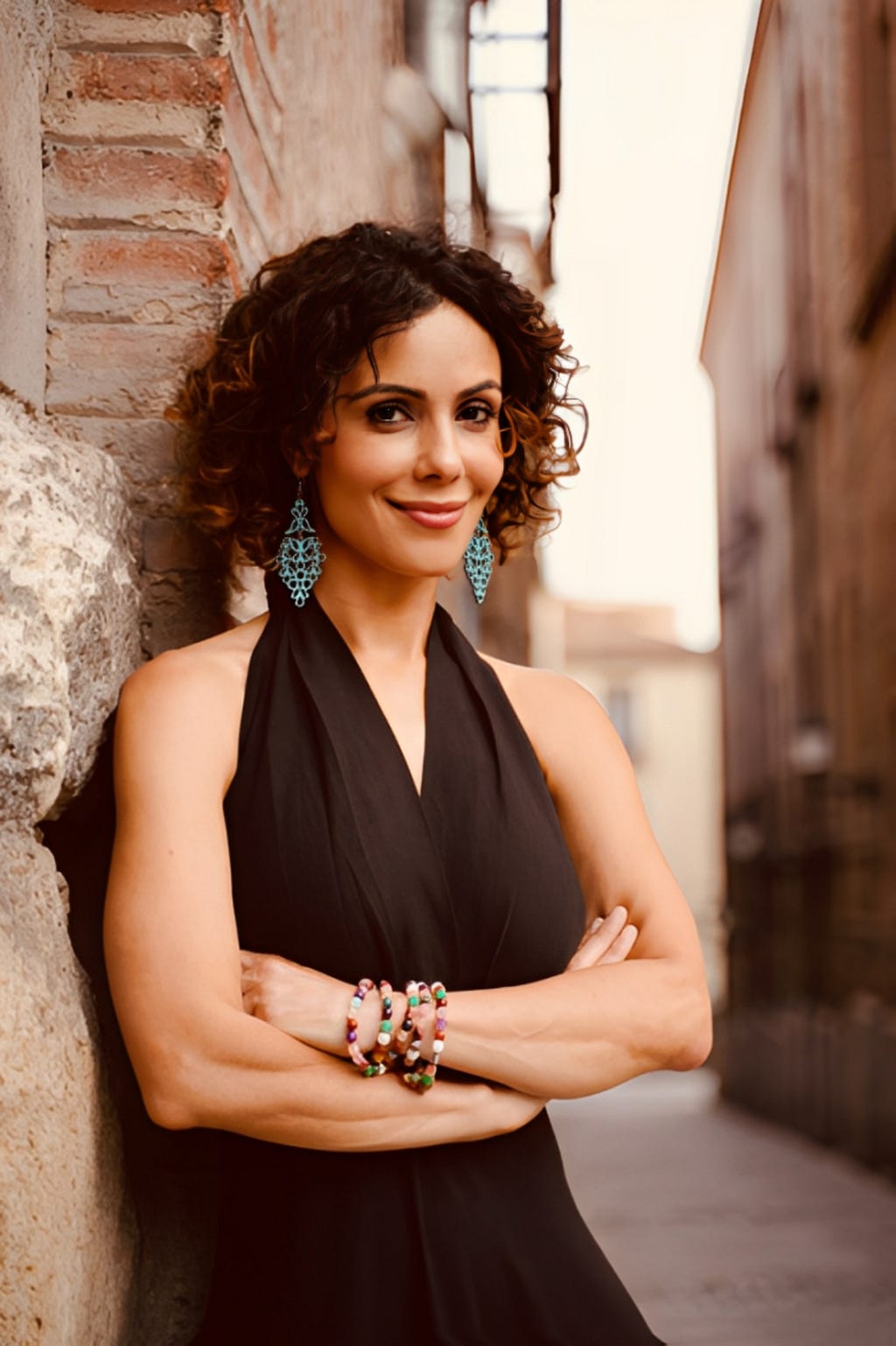
The world of coaching is undergoing a seismic shift, with emerging trends set to redefine its boundaries and possibilities. From digital transformation and the integration of artificial intelligence to the growing emphasis on mental health and the global rise of coaching cultures within organizations, these developments are reshaping the landscape of personal and professional growth. As we navigate through these changes, understanding the forces that drive the future of coaching becomes paramount. I had the pleasure of interviewing Kati Jalali, MBA, MSc, ACC.
Kati Jalali, MBA, MSc, ACC, is a Certified Professional Coach and facilitator dedicated to helping professionals and leaders move beyond burnout and unlock their full potential. Drawing on the Core Energy Coaching™ model and the Energy Leadership™ Index (ELI) assessment, she blends mind-body practices with scientific approaches to foster self-awareness, resilience, and peak performance. With a background spanning business, science, and wellness, Kati empowers clients to align with purpose, lead with adaptability, and define success on their own terms.
Thank you for joining us. To start, could you share your “origin story” with our readers? How did you begin your coaching journey, and what challenges did you face in the early days?
My story begins with belonging. Growing up in a world shaped by revolution, war, and diaspora, I was always searching for where I fit. Questions of identity have been with me for as long as I can remember. Who am I beneath the layers of culture, expectation, and circumstance? What is success, and what does it mean to be fulfilled? That search has been a constant thread, guiding me through every stage of my life.
I began my professional career in the corporate world, working in research and development. On paper, I had what many would consider success: the degrees, the titles, the steady climb. Yet I felt the heavy weight of burnout and an inner misalignment that was impossible to ignore. The version of success I was living demanded hustle and sacrifice, but left me feeling further away from myself. At some point, I realized I had to redefine what success and fulfillment meant on my own terms.
The path forward was not neat. It asked me to step away from certainty and ego, take detours, and enter unknown territory. After years of relying almost exclusively on my left brain, I felt a deep pull toward something more expansive. I turned to yoga, mindfulness, and Eastern philosophy, exploring the mind–body connection and rediscovering the creative and intuitive parts of myself that had been dormant.
Living across cultures taught me the power of human stories. Narratives of belonging, connection, purpose, leadership, and legacy are universal, yet each carries its own uniqueness. These stories showed me that it is the subtleties of consciousness and the search for meaning that bind us together.
The early days of coaching were both exhilarating and challenging. Unlike corporate life, there was no clear playbook. I had to trust my instincts, experiment, and build a practice rooted in authenticity rather than external markers of success. That is how Happy Cinnamon was born. To me, it represents the evolving states of happiness we move through, from engagement to fulfillment to inspiration, paired with cinnamon, the spice that makes life richer.
You are a successful business leader. Which three character traits do you think were most instrumental to your success? Can you please share a story or example for each?
Curiosity has been the thread through every part of my life. From questioning lab data to questioning the story I was telling myself about, Curiosity has been the thread through every part of my life. From questioning lab data to questioning the story I was telling myself about who I should be, it is curiosity that led me to walk away from certainty and reimagine my career as a coach. Curiosity rarely offers neat answers, but it always opens a new doorway. Over time, I have learned to trust it as the energy that keeps me exploring, experimenting, and asking bigger and often uncomfortable questions.
Connection is another trait that has carried me. I believe we are wired for connection, not only with people but also with something greater than ourselves. As an immigrant, I had to learn to belong in different languages, cultures, and places. That journey showed me that true connection is not about similarity but about presence. In coaching, I have witnessed how one moment of genuine connection, listening without judgment, and holding space without rushing, can change the entire trajectory of someone’s story.
The third is attunement, which I first discovered through music. In college, I worked as a music therapist, and it opened my eyes to the power of sound on the human psyche. I realized music could bypass logic and speak directly to emotion, memory, and healing. Music taught me that attunement is both fragile and powerful. In a world filled with noise and distraction, it can feel almost endangered, yet it remains essential. Attunement is the capacity to listen deeply, to notice patterns, to sit with silence, and to honor expression. It is a quality I carry with me in coaching and in life.
Can you share your favorite “Life Lesson Quote”? Why does that resonate with you so much?
Mary Oliver’s question, “Tell me, what is it you plan to do with your one wild and precious life?” has been with me for years. For a long time, I loved it abstractly, but it landed differently when I was diagnosed with cancer almost two years ago. Suddenly, it was no longer a poetic line to admire but an invitation to live deliberately. Life is both wild and precious. It is unpredictable and messy, and it is also fleeting and worth cherishing. That tension is what makes it beautiful.
To me, that paradox is at the heart of coaching. Coaching is not about creating a perfect life but about living with intention, even in the midst of uncertainty. This question often opens the door for clients to tell their story in a way they have never done before, and in that telling, they begin to see what truly matters to them, what makes them feel relevant, and what kind of legacy they want to leave behind.
What are some of the most interesting or exciting projects you are working on now? How do you think that might help people?
I’m currently creating small coaching groups that focus on human energy. I see energy as the essence of our potential and leadership, and I want to design spaces where people can reflect on how they use it, conserve it, and expand it in their lives, work, and relationships. These groups are intentionally intimate and thought-provoking, giving people a safe space to pause and experiment with new ways of seeing themselves and the world around them.
Longer term, I am planning a Camino de Santiago leadership retreat. Walking the Camino was a life-changing experience for me. It is a physical, mental, and spiritual process that mirrors the transitions we face in life. My vision is to bring others into that journey so they can experience the clarity, connection, and renewed energy that comes from walking with intention and reflection.
Both of these projects respond to what I believe is most needed today: space to slow down, to connect deeply, and to reflect in a world that often rewards constant motion more than meaningful direction.
Without saying any names, could you share a particularly memorable success story from your coaching career?
I worked with someone who was navigating a major life transition after a deeply personal loss. When they first came to me, they were carrying a heavy mix of grief, exhaustion, and uncertainty. Their world felt smaller, and the future felt hard to imagine. Coaching became the one place where they could bring all of that without judgment, where silence was just as welcome as words.
Over time, the sessions gave them a rhythm of both release and rebuilding. Some days were about sitting with the weight of loss, and other days were about noticing sparks of curiosity for what might come next. Gradually, they began to reconnect with their own resilience. One day, they told me, “I feel like you gave me permission to imagine a future I couldn’t see before.” That moment has stayed with me because it captured what coaching can do at its best: not to fix or provide answers, but to hold a space where someone can rediscover possibility and begin to write the next chapter of their story.
Ok, thank you for that. Let’s now jump to the primary focus of our interview about coaching. How has your approach to coaching evolved over the years, and what personal learnings have you applied to your own development?
In the beginning, I leaned heavily on frameworks and structure. They gave me confidence, but they also kept me in my head and further away from what I value most, which is being of service and contributing to someone’s growth. Over time, I realized coaching is less about the perfect model and more about flow. My practice now feels more fluid, intuitive, and spacious. At its heart, I see coaching as curating the conversations people wish they could have but never feel comfortable starting.
What I have also learned is that the real transformation rarely happens all at once. The intuitive hits and the aha moments do not always appear in the session itself. More often, they arrive later, in the quiet moments in between, when the client is living their life and reflecting on our conversation. Personally, I have carried that lesson into my own life by permitting myself to trust my intuition, to experiment, and to embrace not knowing.
How do you incorporate feedback into your coaching practice to continuously improve?
I see feedback as a mirror. I ask clients what feels most impactful and where they want something different, and I welcome their honesty. I also work with supervisors and peer coaches who challenge me to see what I might miss. Feedback has helped me refine everything from how I pace sessions to how I push clients beyond their comfort zone. It keeps me humble and evolving.
Can you discuss an innovation in coaching that you believe is currently underappreciated but has the potential to significantly impact the field?
I would actually argue that it is not an innovation at all but something deeply human that has been with us all along: storytelling. It is still one of the most under-appreciated tools in coaching. We are wired to tell stories and to make sense of our lives through them. In many ways, a coaching session mirrors the Hero’s journey. When a client hears themselves telling their story, they begin to recognize themes and truths that were hidden before.
There is tremendous power in giving language to our experiences and in hearing ourselves say the words out loud. Storytelling can create momentum in moments of hardship and transition, helping people see that they are already living through a meaningful narrative. In a world overwhelmed by information, stories are what make our lives feel relevant and connected.
In what ways can coaching address the evolving mental health needs of diverse populations in a digitally connected world?
Coaching is not a replacement for therapy, but it can play a complementary or stand-alone, powerful role in creating nonjudgmental spaces where people explore meaning, identity, and resilience without feeling disconnected or alone. In a digital world, coaching can meet people where they are, across cultures, time zones, and backgrounds, while honoring diversity of perspective. At its best, coaching helps people feel truly seen and heard, which is one of the most protective factors for well-being.
How do you foresee artificial intelligence and machine learning transforming the coaching industry in the next decade?
I see AI becoming a kind of co-coach, offering pattern recognition, reflective prompts, and even keeping the thread alive between sessions. It also has the potential to expose more people to the world of coaching who might not have considered it before. What I do not believe is that AI will ever replace the nuance of human experience, wisdom, empathy, and presence. The future is not AI or human, but AI and human, with technology serving as a support that extends the reach of coaching while never substituting the relationship at its core.
What role do you believe ethical considerations and privacy concerns will play in the future of coaching, especially with the increased use of digital platforms?
They will be central. Trust is the bedrock of coaching. As technology expands, so does the responsibility to protect privacy and use data responsibly. Coaches will need to be transparent about what is being collected and how it is used. The more digital the practice becomes, the more essential human trust will be.
Could you list and briefly explain “Top 5 Trends Shaping the Future of Coaching” based on your experiences and insights? If you can, please share a story or example for each.
1. AI as Co-Coach
AI is like that assistant who never gets tired of asking good questions. I’ve used it to spark creativity in workshops and offer clients prompts between sessions. But let’s be clear, coaching magic still happens in the pauses, the silences, and the human connection. AI can amplify curiosity, not replace presence, and not all questions asked by AI are necessarily “good”. It is the coach who can make that judgment, and this is important.
2. The Art of Facilitation
Facilitation and coaching are not the same, but they share qualities and will increasingly overlap, especially in group settings. Facilitation creates the conditions for dialogue and helps a group surface its wisdom, while coaching often focuses on an individual’s growth. In my peer groups, I have seen how the two blend when members begin to coach one another and facilitation becomes part of the coaching process. Both require expertise, and it is the presence that makes them powerful
3. Fluid & Adaptive Coaching
Some of the best sessions I’ve ever had happened when I threw out the plan and followed the client’s energy. Coaching today is about being fluid — trusting intuition, improvising, and letting the conversation go where it needs to go. Structure is helpful, but breakthroughs live in the flow.
4. Collective Transformation
Coaching is spilling out of one-on-one sessions and into daily life. I’ve seen one honest exchange in a workshop shift the mood of an entire group more than months of training ever could. Micro-moments like pauses, questions, and reflections are reshaping cultures and creating the belonging people crave.
5. Embodied Wisdom
We’re drowning in information, but insight only becomes transformation when it lands in the body. I’ve seen real breakthroughs when clients feel the shift and feel calmer, stronger, and more grounded. The future of coaching is about blending clarity of thought with embodiment and presence, because that’s where lasting change takes root.
How do you envision the integration of coaching within organizational cultures changing the landscape of leadership and employee development?
I believe we will see less of the old top-down style of management and more distributed leadership expressed through mentors and guides. Coaching will be woven into daily leadership conversations rather than reserved for formal programs. Managers will begin to see themselves as coaches, not only as directors of tasks but as facilitators of growth and possibility. Organizations that embrace this shift will cultivate stronger trust, deeper engagement, greater resilience, and, just as importantly, more joy in their people.
What do you see as the biggest challenge facing the coaching industry today, and how might we overcome it?
One of the biggest challenges in coaching is the misconception that it’s a quick fix. Real transformation takes time, trust, and repeated return to deeper questions. Clients also struggle to distinguish coaching from advice, therapy, or mentoring, which is why we must be honest about what coaching is — and is not — while modeling patience ourselves.
Technology presents another challenge. AI and digital tools can extend coaching and keep reflection alive between sessions, but the heart of coaching remains human presence, empathy, and wisdom. Tech should enhance, not replace, that connection.
Accessibility is also critical. Coaching must move beyond being a luxury for executives to something accessible across schools, communities, and everyday culture. Likewise, measuring impact should go beyond productivity or profit to include resilience, clarity, and the quality of relationships.
Finally, the field faces oversaturation and uneven quality. The way forward is integrity — leading with presence, authenticity, and trust. At its best, coaching is about curating the conversations people wish they always had. If we hold to that, coaching will remain one of the most human and necessary practices of our time.
What is one long-term goal you have for your coaching practice, and how are you working towards it?
My long-term goal is to expand peer-group experiences and retreats, creating spaces where people can step away from the noise of daily life and rediscover clarity together. I am building partnerships with organizations and shaping models that bring together coaching, community, and experiential learning in ways that feel both meaningful and practical.
As a cancer survivor, I am also pursuing training to support clients who are going through cancer and other life-changing transitions. That experience has been one of the hardest and most illuminating chapters of my own life. It taught me about resilience, leadership, and presence in the face of uncertainty. I hope to bring that hard-earned wisdom into my work so that I can walk alongside people in their darkest moments and help them discover the strength they may not realize they already carry.
How can our readers continue to follow your work?
You can find me at www.happycinnamon.com and on LinkedIn, where I share reflections, resources, and stories about energy, leadership, and the human experience. You can also schedule a consultation with me through zant at https://user.zant.app/provider/profile/Kati_Jalali. My work is about helping people move from burnout into greater clarity and fulfillment. You can also reach me directly at kati@happycinnamon.com. I always welcome new conversations and connections.
Thank you for offering such valuable insights into the future of coaching. We look forward to seeing your work continue to reach new heights, and we wish you continued success.
About the Interviewer: Chad Silverstein is a seasoned entrepreneur with 25+ years of experience as a Founder and CEO. While attending Ohio State University, he launched his first company, Choice Recovery, Inc., a nationally recognized healthcare collection agency — twice ranked the #1 workplace in Ohio. In 2013, he founded [re]start, helping thousands of people find meaningful career opportunities. After selling both companies, Chad shifted his focus to his true passion — leadership. Today, he coaches founders and CEOs at Built to Lead, advises Authority Magazine’s Thought Leader Incubator.
Kati Jalali of zant On The Top 5 Trends Shaping the Future of Coaching was originally published in Authority Magazine on Medium, where people are continuing the conversation by highlighting and responding to this story.