
The Future Is Personal: Dr. Debra Clary of The Clary Group On How Leaders Are Building Brands That Outlast Their Businesses
Curiosity is not a soft skill. It is a competitive advantage.
As a part of our series, we had the pleasure to interview Dr. Debra Clary.
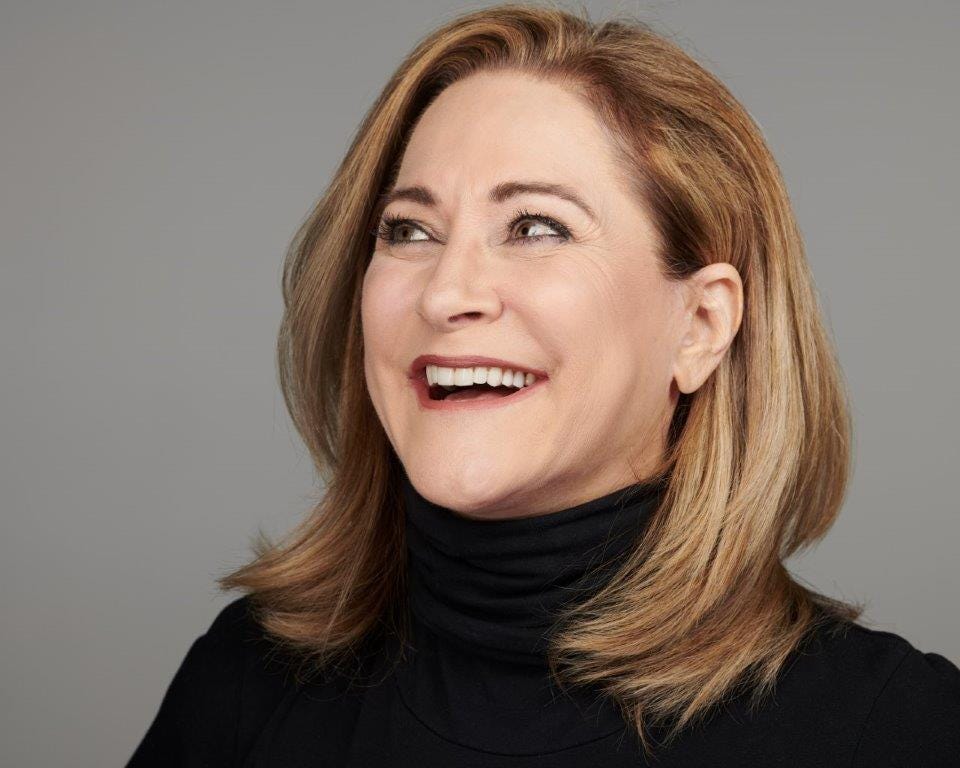
Dr. Debra Clary is a leadership strategist, award winning speaker, and bestselling author of The Curiosity Curve (Fast Company Press), known for helping leaders and organizations unlock growth through the power of bold questions. With more than three decades of experience, including global marketing and leadership roles at Frito Lay and Coca Cola, as well as senior positions at Jack Daniel’s and Humana, she brings a rare, enterprise-wide perspective on performance, culture, and transformation. A viral TEDx speaker, award winning film producer, and off-Broadway performer, Debra blends research, storytelling, and practical insight to help leaders build trust, engagement, and impact that endures.
Thank you so much for joining us! Can you share your backstory and what brought you to your current career path?
I did not take the scenic route. I took the route truck. Literally. Fresh out of business school with high hopes and a lot of ambition, I started my career driving a Frito Lay truck. From there, I climbed my way into leadership roles at Coca Cola, Jack Daniel’s, and Humana, working across operations, sales, marketing, and strategy. I have been in the rooms where decisions get made and the hallways where people quietly disengage. The higher I rose, the more I noticed something breaking. Not strategy. Not talent. Curiosity. Teams were driven purely by numbers. Leaders were rewarded for certainty, not questions. Engagement was declining while dashboards stayed green. That disconnect became impossible to ignore. So, I did what curious people do. I studied it. I earned a doctorate, conducted research, tested hypotheses, and took the work to stages and boardrooms, and even to Broadway through my one woman show A Curious Woman. Today, I work with leaders and organizations around the world to help them build cultures and personal leadership brands that are human, credible, and resilient. Curiosity is not a soft skill. It is a competitive advantage.
Was there a defining moment when you realized that building a personal brand was no longer optional for leaders?
Yes, and it was not glamorous. I was working with a senior leader who had just been through a major reorganization. He was smart, accomplished, and highly respected. On paper, his resume was extraordinary. Yet he had become invisible. He had no clear point of view, no narrative, no signal beyond his title. That was the moment it clicked. Titles expire. Reputation compounds. Organizations pivot. Roles disappear. Businesses get acquired. But your personal brand, your ideas, your voice, and what you stand for travel with you.The leaders who thrive today are not just competent. They are known. Known for how they think. Known for the questions they ask. Known for how they make people feel in the room. If you do not shape that story intentionally, someone else will. And you may not like the version they create.
How would you describe the relationship between your business brand and your personal brand today?
They are intentionally intertwined, but not identical. My business brand is the container. My personal brand is the current that runs through it. The Curiosity Curve is grounded in research, data, and rigor. My personal brand brings the humanity, lived-experience, humor, and vulnerability that make the work real. One without the other does not work. People do not hire frameworks. They hire belief. They hire the person who embodies the work. I do not hide behind the brand, and I do not make the brand all about me. They reinforce each other through shared values, a consistent voice, and a clear north star. That is how you build something that outlasts a job, a company, or even a business model. The future of leadership is personal.
What is the biggest misconception people have about personal branding for established leaders?
The biggest misconception is that personal branding is self-promotion. Established leaders often hear the term and immediately think of influencers, oversharing, or ego driven visibility. That misunderstanding causes many capable leaders to disengage from the conversation entirely. The truth is this. Personal branding is not about visibility. It is about legibility.At senior levels, people already see you. What they do not always understand is how you think, what you stand for, what decisions you will fight for, and why your leadership works when it works. Many leaders believe their work should speak for itself. That belief is polite, but it is outdated. Work does not speak anymore. Context does. Your personal brand is the translation layer between your experience and other people’s trust. When done well, it is not louder. It is clearer. This is not about becoming a brand. It is about becoming understood.
Can you share a time when becoming more visible personally directly benefited your career or company?
For years, I was a behind the scenes operator. I delivered results and let the work speak. Visibility felt unnecessary, and honestly, a little uncomfortable. Then I said yes to a TEDx stage. Not as a marketing move, but as a curiosity experiment. That talk on curiosity as a leadership advantage did more than generate views. It created clarity. Leaders did not reach out to say it was a great speech. They said it articulated something they had been feeling but could not name. Conversations changed after that. Instead of being brought in to fix engagement or run workshops, I was invited into strategic discussions earlier, while leaders were still shaping direction. As my personal visibility increased, trust accelerated. Decision cycles shortened. Alignment improved. The work scaled beyond a single organization at a time. My business did not lose credibility because I stepped forward. It gained it. People do not follow logos. They follow clarity.
How did you define your personal narrative and thought leadership platform?
I hired a marketing and branding specialist, and it was one of the smartest decisions I made. Seasoned leaders often struggle to see their own through line because they have lived the story. We started by auditing patterns, not resumes. We looked at what kept repeating across my career and what problems people consistently brought to me. We named the tension. Leaders were being rewarded for certainty while curiosity was quietly punished. We clarified the audience. Senior leaders navigating complexity, growth, and real consequences. We built a point of view, not a content plan. Thought leadership is not about posting more. It is about saying something true often enough that people associate the idea with you. Most importantly, we pressure tested authenticity. If it did not sound like me in a room, it did not make the cut. The breakthrough came when I stopped trying to sound impressive and focused on sounding clear.
How can readers continue to follow your work?
Readers can follow my work and ongoing thinking online, where I share research, insights, and real world leadership perspectives.
LinkedIn https://www.linkedin.com/in/drdebraclary/
Website https://www.debraclary.com
The Curiosity Curve is available on Amazon https://www.amazon.com/dp/1639081380
Email: debra@debraclary.com
Thank you for sharing these insights!
The Future Is Personal: Dr Debra Clary of The Clary Group On How Leaders Are Building Brands That O was originally published in Authority Magazine on Medium, where people are continuing the conversation by highlighting and responding to this story.