Breaking the Marketing Mold: Brian Lucey of Company X Marketing On 5 Innovative & Non Traditional Marketing Strategies That Can Engage Audiences Like Never Before
An Interview With Chad Silverstein
Sentiment is also really important for building community and fostering brand loyalty. For beauty brands in particular, tracking how people engage with the brand what they say, how they interact, and whether it leads to lasting brand love is a true measure of success.
Traditional marketing methods are no longer sufficient in today’s dynamic and fast-evolving market. To truly engage and captivate audiences, businesses need to think outside the box and adopt innovative and non-traditional marketing strategies. What are these strategies, and how can they transform audience engagement? I had the pleasure of interviewing Brian Lucey.
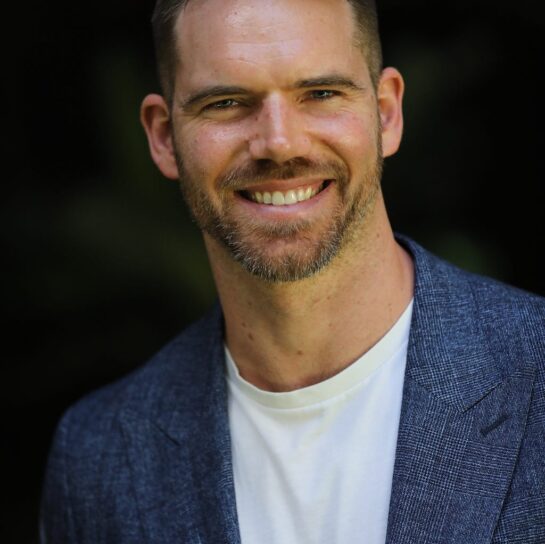
Brian Lucey is the Head of Client Services at Company X Marketing with a background in luxury concierge and lifestyle management. Brian spent the beginning of his career crafting elevated experiences for ultra-high-net-worth clients around the world. A natural connector, he began forging key relationships while attending the University of Miami — connections that would launch him into the worlds of nightlife, hospitality, and events.
Thank you so much for joining us in this interview series! To start, could you share when and how you got started in marketing?
I originally started in the luxury concierge world, where I managed the lifestyles of high-net worth clients. What I love most is that my role in marketing today really stems from my roots. Client services have always been the focal point for me. Taking care of clients in a high-touch way that makes them feel seen and catered to has stayed with me as my career evolved.
I’ve always had a hunger for experiences, whether that’s meeting new people, traveling to unique destinations, or seeing concerts and performances in a more intimate setting. Anything experiential has always been the driving force for me. At the beginning of my career in luxury concierge, it was about bringing those kinds of experiences to the clients like getting them into top events at Art Basel in Miami or arranging VIP backstage access with celebrities. Being able to bring those experiences to life for clients was such an incredible feeling, and it’s what ultimately led me to the path I’m on with Company X Marketing. Now, my focus is on creating experiences for influencers and consumers in a different way while still taking care of our clients — the brands.
What has been the biggest shift in the marketing industry and can you give us an example of how it impacted you?
Brands used to be focused on curating perfect photo moments, things like the Museum of Ice Cream were huge. But those picture-perfect setups weren’t super engaging. That trend has shifted because brands are starting to recognize the individuality that each person brings. I think a lot of that comes from seeing the power influencers have on social media, which has pushed brands to tailor experiences in a more customized way.
For example, pop-ups allow brands to bring the experience to the exact audience they’re targeting. One big photo moment used to result in everyone sharing similar content, but now, everyone from influencers to everyday consumers want to create content that feels personal and unique to them. That’s why experiences like pop-ups are a great opportunity to offer interactive moments people can really build on. Whether it’s bedazzling a product for a beauty brand, customizing clothing with on-site embroidery with whatever phrase they choose — these activities lead to content like Instagram reels and stories that feel completely their own, even if someone else shared content at the same event. People want their voice to be heard and want their content to feel special. Along those same lines, people want to be involved in the process and get their hands dirty. They don’t want to just receive a gift and walk away — they want to participate and be part of the experience from start to finish.
Can you explain why it’s essential for businesses to break away from traditional marketing and embrace new strategies?
It really comes down to bringing passion to the project, and building excitement around something that’s new and different. It’s about staying ahead of the curve and not just following a trend, but actually creating something that hasn’t been done before at any other event. That’s what we really specialize in at Company X Marketing, even if it’s taking a more traditional activity and putting our own spin on it. It’s that kind of approach that leads to attendees saying, “I’ve never seen this before. This is so cool!” Genuine reactions like that are honestly my favorite part of what I do, and makes all of the crazy hours and hard work totally worth it. I absolutely love seeing attendees’ faces light up and pull out their phone to start creating content because that’s the goal.
It’s not always easy taking a non-traditional approach. There’s a lot of thought and creativity that goes on behind the scenes to pull it off and authentically weave the brand into the experience.
It’s also all about community and brand loyalty nowadays. The more fun and exciting the events are, the more people want to come back. They build trust in the brand because of positive past experiences and know that the brand will deliver again. We’ve even seen people become friends through our events and reconnect at future ones. They cross-share as a result of their friendship, and it amplifies everything because now there’s a community built around the excitement of attending these experiences.
It actually goes deeper than just building communities for brands. As an agency, we’ve developed our own community of influencers and guests who are genuinely excited to attend our events. We constantly get DMs asking what’s next and wanting future invites. We’re always staying in communication and engaging with our community around what we’re doing.
Something we’ve noticed again and again is anytime we work with an influencer or celebrity that’s behind a product, they’ll be scheduled to stop by briefly, but always stay way longer than planned. We did an event for Tan-Luxe with Paris Hilton, and she was only scheduled to be there for an hour, but she stayed the full four hours. After the event ended, she didn’t want to leave and told us how incredible the event was. When people are truly enjoying themselves, they want to stay — and that’s what makes the experience unforgettable.
Could you share and briefly explain the first major change you made to break the trend of traditional marketing that was not so common?
Our first major break from traditional marketing actually came from our very first official project at the Sundance Film Festival in 2013. We were initially brought on by Ploom, the company behind JUUL and PAX, to take on a celebrity gifting project. But we saw a much bigger opportunity and ended up taking a whole different path with PAX. Ariel, my co-founder, and I pitched a much bigger idea: creating a full-scale “PAX House” we could invite people to and make the visit a full-fledged brand experience. Because they trusted us and liked the vision, we were actually able to make the PAX House happen.
It was our emphasis on personalization and community management that really put us on the map and helped us strengthen our relationship with Ploom which became JUUL. They loved what we did with celebrity gifting. Every PAX we actually gifted was personalized with the recipient’s nickname, company name, or something we knew they loved. For Jeff Bridges, we engraved “The Dude” and included a handwritten note from the PAX founder, which is something no other brand was really doing at the time. The personal touch stood out so much that Jeff actually wrote the founder a thank-you note, which opened the door for us to pitch the Sundance event.
We soon became known as the “PAX People” because people wanted to get in on what we were creating. Another moment that really stood out to me was with Childish Gambino. He had become a genuine supporter of PAX after receiving one of our gifts. We offered support for his projects. He mentioned a RED Cam for his visual album. We got PAX to cover this because we knew we wanted to support the actual art he was creating. He ended up utilizing the promoting the PAX throughout national TV and media appearances.
But it was our PAX House at Sundance that really jumpstarted our business, showing brands that if you’re with us, we’ll be creative and take care of you. Working with Ploom set the mold for how we’ve carried those same strategies with other brands over the years.
What specific results did you see after implementing this change?
During our time representing PAX, the brand became the number one loose leaf vaporizer on the market. All the brand’s recognition came from influencer placement rather than the traditional marketing route. When we first came on board, PAX had just four employees, including the two co-founders. By the time we wrapped up our work with them, they had grown to several hundred.
While we did have a publicist and secured strong press coverage around the PAX House, with celebrities like Allison Janney and Michael Cera in attendance enjoying a relaxed house party environment, what excited PAX the most was the building of brand loyalists within the entertainment industry. That community was more valuable than just the headlines.
How do you ensure that these new marketing strategies resonate with your target audience?
Definitely by focusing more on our own content. Lately, we’ve been investing more in high-quality content capture and then putting paid media behind it, like we did with one of our recent booths at BYOMA. That one was one of the first times we leaned into this strategy, and it turned out to be wildly successful. We brought that same approach to the Ulta Field Leadership Conference and Cosmoprof in Las Vegas, boosting our content to reach attendees and gain exposure. It’s really about telling our own story just as effectively as we tell our clients’ stories.
It’s also about raising the bar for what booths can and should look like. There are deeper, more creative ways to drive results that’s not just repeating what’s been done before. At the Ulta Field Leadership Conference, most booths feature traditional signage that’s circular, square, or lit up. And then there’s us on a completely different level, creating 20 beautiful, life-size products suspended from the air. It’s the unexpected thinking and delivery that helps us break the mold and redefine what’s possible for our clients.
Can you share an example of something you tried that didn’t deliver expected results or ended up ended up becoming a financial burden, and what you learned from that experience?
There was one instance where we hosted an influencer event, along with our PR partner, with over $300,000 spent on influencers. Unfortunately, two influencers at the event filmed and posted content that was culturally insensitive. The content very quickly gained negative traction online, with people calling out the company for aligning with influencers who didn’t create a safe space. It was a crisis moment. All influencer content and paid media had to be pulled immediately.
The moral of the story is that you can’t control an influencer’s actions or the content they post. No matter how well your event was planned, things can always go off-course or take an unexpected wrong turn. It’s situations like this that are completely out of our hands and result in a failure.
Great. Now, let’s dive into the heart of our interview. Could you list “5 Innovative & Non Traditional Marketing Strategies That Can Engage Audiences Like Never Before”?
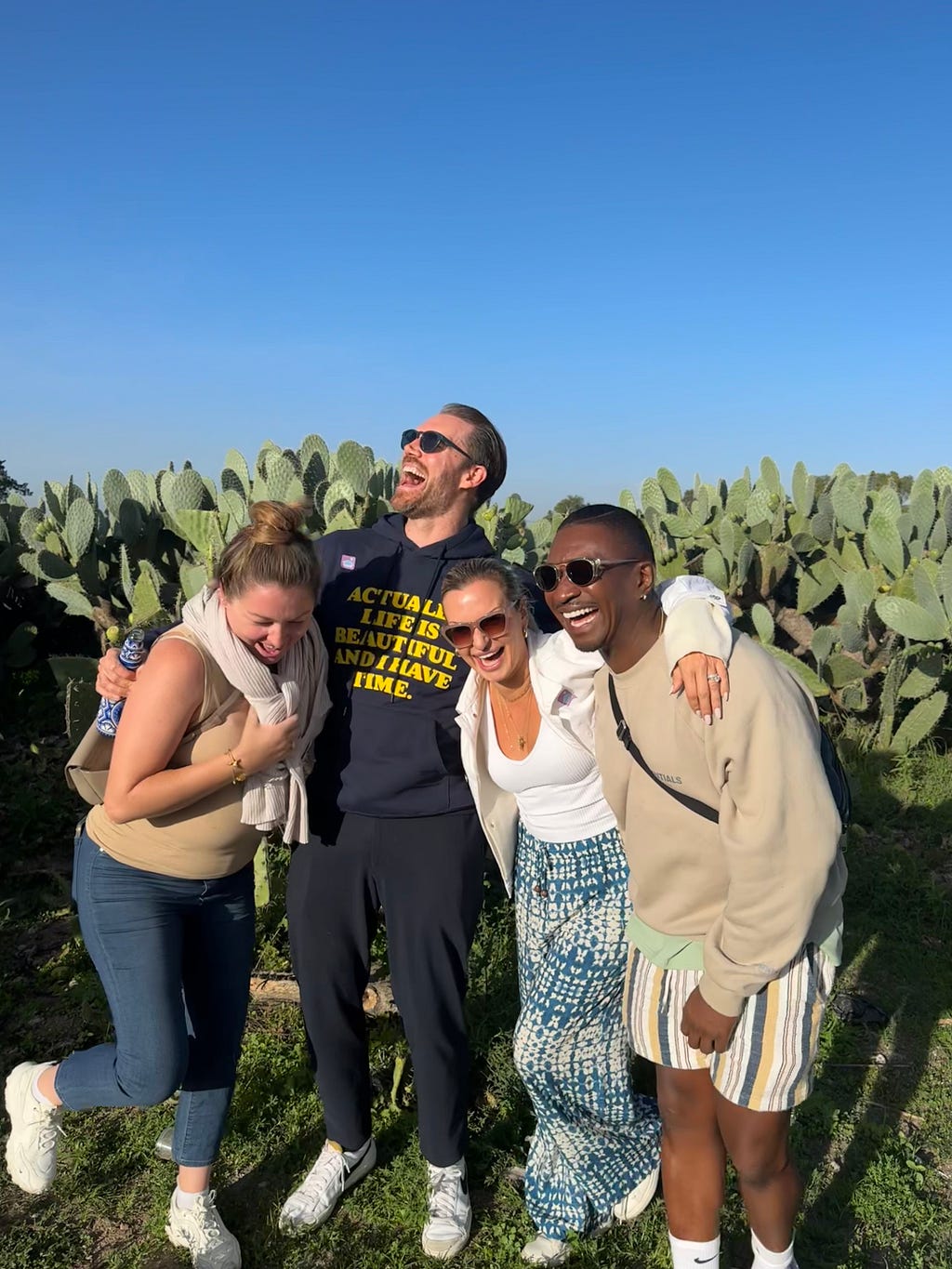
1 . Without a doubt, brand trips drive the most genuine and meaningful connections, not only between the brand and influencers, but among the influencers themselves. It’s super common to see influencers develop real friendships from memorable experiences and bonding time as a result of these trips. Many of the influencers we invite on trips go on to travel and hang out together after the trip has ended. That’s how you know this strategy works. Our influencer trips go beyond just Instagrammable destinations, product placements, and creating content, that’s just what’s on the surface level. On a deeper level, these trips build an authentic and organic community. When influencers post from a place of real connection, the audience feels it.
2 . Pop-ups are definitely more consumer facing than anything but they work when executed well and right. Pop-ups give the unique opportunity to activate in a super high foot-traffic area and create some sort of “wow” factor that draws in a crowd and engages with both existing and new customers. There’s so much room to lean into personalization and activities that build a loyal customer base through a never-before-seen experience.
Also, production quality is key and something we take a lot of pride in. It’s not just about going bigger and better, but paying close attention to the details and final execution. The premium feel matters. One of our biggest pet-peeves is seeing glue or tape peeping through other pop-ups. It completely takes away from the premium experience.
We’re also seeing brands take a two-pronged approach with pop-ups. Not only are brands using the pop-up space to promote their products right then and there, they’re simultaneously pushing customers to their retail locations and improving their relationships with retailers. It’s a win-win for consumers, brands, and retailers.
3 . Influencer and stunt drops are a major player in really engaging an audience. One of the most fun drops we did was for an influencer’s partnership with a clean beauty brand. We created a mobile farmer’s market truck that traveled to over a dozen different influencers in Los Angeles. It was a beautifully branded vintage truck filled with flowers, fruit, vegetables — pretty much everything you can find at a farmer’s market was in the back of this truck. It was also a unique way for the influencer to celebrate her launch because she was the one driving it around, putting a new spin on the typical launch party.
For a stunt drop we did for FYC, we had character actors dressed head-to-toe as IP from one of the films personally inviting top journalists to an event. We really went all out — the actors performed a viral dance and an animatronics hand held out the invitations. We took the experience across KTLA, TikTok, and Meta offices. It wasn’t just about having influencers capture a moment, but using personalization to make the whole experience stand out.
4 . Product launches are another, and they don’t have to follow the standard party that often comes to mind. It should honestly feel like a natural extension of the brand. When it’s done right, it will naturally generate hype and the content will flow without feeling forced. It’s really about storytelling and staying true to the brand’s DNA.
5 . Definitely trade show marketing. While you can take a traditional approach to this, there are ways to ditch the standards and really elevate the experience. It all starts with reinventing the booth. If you haven’t heard of Freeman, the company essentially runs the union and services behind convention centers around the country. Our head rigger from Freeman in Las Vegas told us that he’s never seen anything like what we did with the life-size bottles for BYOMA at Ulta’s conference.4
There’s typically hundreds of booths at trade shows, so you’re working with a limited space. The challenge is to create something that truly feels like it belongs in an art installation. Beyond just the visual elements, it’s creating an experience to stand out from the crowd. Gamification is another key component with booths because while the booth needs to be visually beautiful, you also need to get your audience to actually walk up to your booth and stay. It’s about engaging all five senses, not just having people just look at the products in passing — because that’s boring.
What challenges might companies face when transitioning away from traditional marketing strategies, and how can they overcome them?
One of the biggest challenges, especially from a budget perspective, is that those with an old-school and traditional mindset have a hard time wrapping their heads around spending $200,000-$300,000 on newer marketing activities. You really have to showcase the results that stem from it and tie them to more familiar, traditional advertising so they can see the value. Now we have the data to show the ROI, EMV, sales spikes, UGC, and sentiment to help them understand the impact.
Another challenge is planning — you can’t produce a solid pop-up in just a week. It’s not going to deliver the results you’re looking for. For us, we’ve been in this space for so long that we are capable of delivering quickly, but it’s not ideal by any means. We actually just wrapped the launch event for Shakira and her new haircare line, isima, of her that we only had about 5 weeks to bring it to life and being flexible to her schedule and tour. Since COVID-19, event planning timelines have drastically shortened, so we’ve had to pivot accordingly. While we love ample time to plan, it’s not always going to happen that way. The more time we have to implement strategies and talk them through, the better. And when it comes to working with celebrities and talent, we have to work around their busy schedules as well.
How do you measure the success and ROI of these new marketing strategies?
EMV (earned media value) is a big metric right now. There’s systems that measure EMV based on social media impressions, social media reviews, and organic search results — essentially showing how much it would cost a brand to achieve that same level of engagement through paid ads.
Sales, especially when it comes to beauty brands, is another key indicator of success. With all of the technology and data mining we have now, companies can easily analyze sales spikes and link them to specific events or social media posts from influencers. We’ve seen products after a pop-up or activation sell out at nearby retail locations within the same week. It shows a clear, direct correlation that brands can watch happen in real time.
Sentiment is also really important for building community and fostering brand loyalty. For beauty brands in particular, tracking how people engage with the brand what they say, how they interact, and whether it leads to lasting brand love is a true measure of success.
Looking forward, how do you see the role of innovative marketing evolving in the next 5–10 years?
I think live experiences are going to continue to evolve. As the world becomes more digital with AI advancing and people constantly connected to their phones, there’s a craving for more real and authentic human interaction. Brands are recognizing this and investing more into live experiences to fill that need. We’re already seeing brands turn pop-ups and other events turned into bigger, better, and more immersive experiences. When it comes to building community, most of that is done through social media and online platforms right now, but live experiences are going to provide a better opportunity to build that community in-person and bring followers together in real life.
While we’ve done a lot of experiential marketing in the beauty industry, we’ve also worked with entertainment companies. Like I mentioned earlier, they’ve already started taking their IP and turning it into live experiences. I think we’re going to see a lot more of that down the road.
As we know, history repeats itself. Everything has become so digitalized that we’ve lost some of that human connection along the way. Younger generations often wish that they grew up in the 90s before the extreme digitalization of the 2000s. Eventually, we’ll see a full circle back to more in-person, human-centered experiences.
Another trend I’ve noticed is that company founders are becoming more and more involved — becoming the actual face of the company, attending events, and sharing their real, raw personality. Being somebody that attendees, influencers, and media are actually connected to and feel inspired by is making a comeback. Consumers are really starting to care about who created products or companies and what their values are. Not just founders, but business leaders in general that take a stand and use their voice on platforms like LinkedIn are becoming more prevalent. People want to know these leaders represent values that they align with.
What advice would you give to business leaders who are hesitant to move away from traditional marketing methods?
We would tell them that the brands thriving today are the ones creating experiences, not just advertisements. Traditional marketing still has its place, but it rarely sparks the same emotional connection or organic engagement that experiential activations and influencer campaigns can. Consumers are looking for authenticity — they trust what they can see, touch, and share.
My advice is to start with a pilot: an interactive event or collaborate with creators who genuinely love your brand. The data will speak for itself, and once you see the impact on awareness, loyalty, and social amplification, moving beyond traditional marketing won’t feel like a risk — it’ll feel like a necessity.
Can you share any upcoming initiatives or plans you have for further innovating your marketing strategies?
We’re really focused on taking more creative risks and leaning into cultural moments to resonate deeper with brands’ audience. We’ve seen that the most successful campaigns are the ones that authentically reflect the cultures and identities of the communities we’re trying to reach. There’s been instances where we strayed from the typical route brands go for because it wasn’t the right fit for the event and audience we’re targeting. Just recently, instead of going with the standard electronic DJ setups brands, we brought on a Latina vinyl DJ group because that’s what was more authentic for this particular event and audience. It’s not always about playing it safe, but trusting in what the audience wants from a cultural standpoint.
On a different note, dual brand trips are starting to pick up steam in popularity because you get double the exposure and buzz by teaming up synergistic brands, so I definitely think more of that will be on the way from us.
How can our readers follow your work and learn more about your approaches to modern marketing?
You can check out our website: https://www.companyxmarketing.com/ or follow us on Instagram and LinkedIn @CompanyXMarketing to stay up-to-date.
This was great. Thank you so much for the time you spent sharing with us.
About the Interviewer: Chad Silverstein is a seasoned entrepreneur with 25+ years of experience as a Founder and CEO. While attending Ohio State University, he launched his first company, Choice Recovery, Inc., a nationally recognized healthcare collection agency — twice ranked the #1 workplace in Ohio. In 2013, he founded [re]start, helping thousands of people find meaningful career opportunities. After selling both companies, Chad shifted his focus to his true passion — leadership. Today, he coaches founders and CEOs at Built to Lead, advises Authority Magazine’s Thought Leader Incubator.
Breaking the Marketing Mold: Brian Lucey of Company X Marketing On 5 Innovative & Non Traditional… was originally published in Authority Magazine on Medium, where people are continuing the conversation by highlighting and responding to this story.